


What are Trail Running, Ultra Trail and SkyRunning: definitions and characteristics
Trail running is a sport that has captured the hearts of thousands of enthusiasts worldwide.
But what exactly is trail running?
And what are its variants, such as Ultra Trail Running, Sky Running, and Mountain Running?
In this article, we will explore these disciplines in detail, their definitions, characteristics, and differences.
At the end of the article, we also invite you to visit the Blog or subscribe to TRM News, the newsletter of Trail Running Movement, to receive free professional advice on:
-
Athletic preparation
-
Participation in trail running camps
-
Injury prevention and management
-
Choosing the right clothing and gear
Enjoy your reading!
_ _ _ _ _ _
_ _ _ _ _ _ _
1. What is Trail Running?
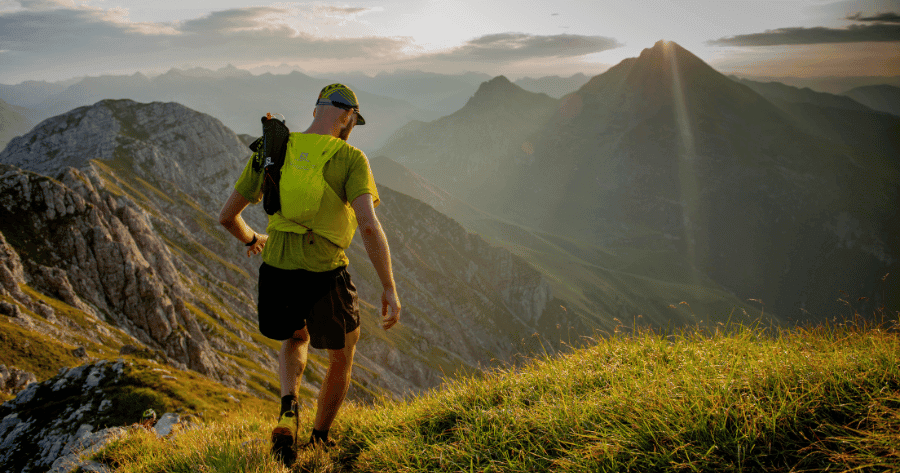
The term trail running comes from English: Trail (path) and Running (running).
Trail Running is a running discipline that takes place on natural trails, often in mountainous, hilly, or forested environments, but also in deserts (Desert Trail) and even urban areas (Urban Trail).
Unlike road running, trail running is characterized by variable and technical terrain, with rocks, roots, mud, sand, and, in mountainous terrain, significant elevation changes.
This discipline is not just about speed but also about adapting to the terrain and connecting with nature.
Running on a trail requires constant focus. Runners must pay attention to their footing to avoid trips, slips, or injuries. Unlike regular road or track surfaces, trails are unpredictable and can change rapidly depending on weather conditions. A sudden storm can turn a simple path into a slippery and dangerous challenge.
Trail running offers a deeply immersive experience. It is not uncommon for athletes to run at sunrise, with the sun rising over the mountains, or at sunset, surrounded by vivid sky colors. Many runners find that this connection with nature has a therapeutic effect, reducing stress and improving mental well-being.
According to the International Trail Running Association (ITRA), trail running is defined as: running on natural trails, with a maximum of 20% paved surface.
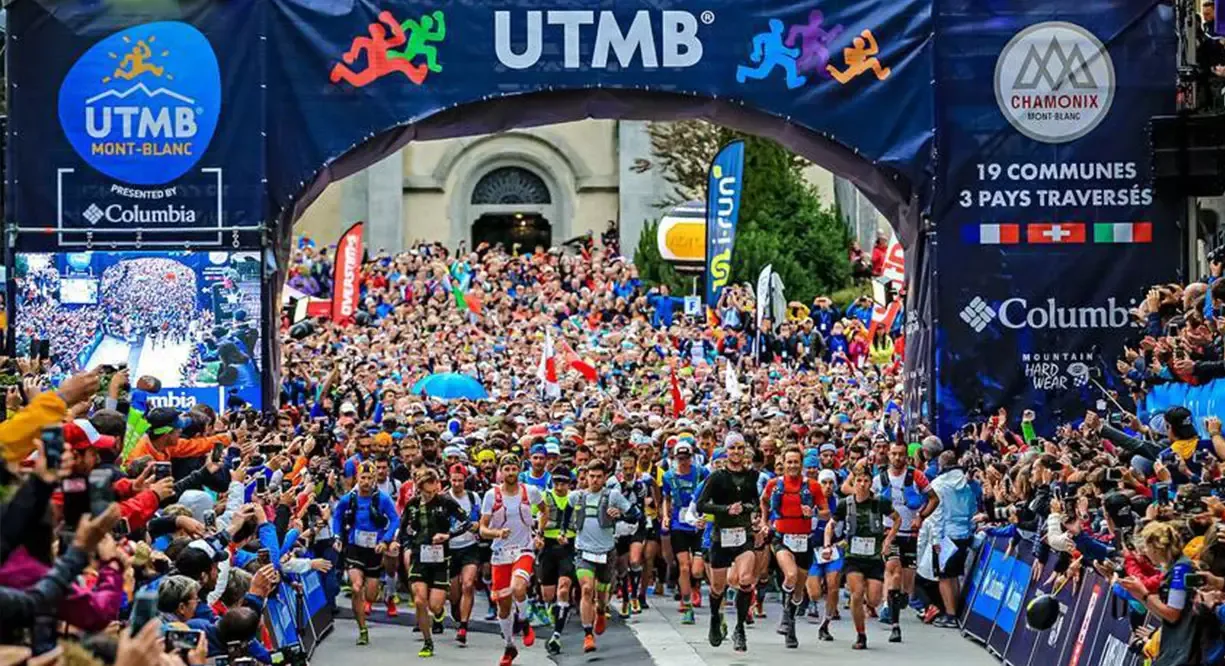
Trail running races can vary in distance, from a few kilometers to over 900 km, and include positive and negative elevation changes that test runners’ endurance and technique. Some competitions, like the famous Ultra-Trail du Mont-Blanc (UTMB), attract participants from around the world and represent true endurance marathons.
2. Why is Trail Running So Popular?

The reasons are multiple, but the main ones include:
-
Contact with nature: Running on trails immersed in nature offers a unique experience, away from the chaos of cities. The natural environment provides a constantly changing scenario that keeps motivation high.
-
Variety of terrain: Every trail is different, making each run a new adventure. Some routes pass through dense forests, while others offer panoramic views from mountain ridges. This diversity makes it hard to get bored.
-
Community: Trail running is known for its spirit of sharing and respect among participants. In races, it is common to see runners helping each other, offering support in difficult moments. This sense of community creates lasting bonds between athletes.
Beyond the athletic aspect, trail running is an opportunity to rediscover yourself in beautiful and stimulating natural environments.
Many athletes report a sense of personal accomplishment after completing a challenging race. Overcoming natural obstacles and physical challenges strengthens self-confidence and improves the ability to face daily difficulties.
3. Differences Between Trail Running, Ultra Trail, and Sky Running

Although trail running, ultra trail, and sky running are related disciplines, each presents unique characteristics and challenges.
Understanding these differences is important to choose the type of experience based on your abilities and goals, and, above all, to determine the proper athletic preparation for training and races.
_ _ _
Trail Running
Trail running is the easiest form of running on natural trails.
Race distances can vary from short 5–10 km routes to competitions of several tens of kilometers (up to 42 km).
Terrains can include wooded paths, hills, mountains, deserts, or snow, with moderate elevation changes.
The main focus is adapting to the terrain, with particular attention to speed and technique.
Race durations range from a few hours to a full day.
_ _ _
Ultra Trail Running
Ultra trail is defined by extreme distances, starting from 42 km and beyond.
Races can extend to hundreds of kilometers, often with significant elevation changes and unpredictable weather.
ITRA classifications by distance:
-
42–69 km: Trail Ultra Medium (M)
-
70–99 km: Trail Ultra Long (L)
-
Over 100 km: Trail Ultra XLong (XL)
The UTMB circuit categorizes races differently:
-
20 km
-
50 km
-
100 km
-
167 km (100 M)
Trail Running Movement has prepared training programmes, TRM Training Plans, with different distances::
-
0–45 km
-
46–80 km
-
81–120 km
-
121–167 km
-
168–330 km
-
331–500 km
-
510–1,000 km
This subdivision reflects increasing difficulty as distance and time on the course grow, including challenges such as nutrition, fatigue management, sleep, and racing self-sufficiency.
Ultra trail races require careful management of energy, nutrition, and hydration, as well as mental endurance to overcome prolonged fatigue and sleep deprivation during multi-day events.
Mental endurance plays a crucial role in overcoming the difficulties associated with a race lasting several days, which causes prolonged fatigue and, in some cases, even sleep deprivation (for night-time running).
_ _ _
Sky Running
Sky running focuses on extreme mountain environments, often above 2,000 meters.
Races include:
-
Steep climbs
-
Exposed ridges
-
Technical descents
Sky running requires not only endurance but also mountaineering skills, such as using ropes or harnesses in dangerous passages. Managing altitude and weather changes is critical for safety.
Differenze principali tra Trail, Ultra e Sky
Le differenze tra i tre tipi di discipline possono essere sintetizzate per tre aspetti:
- Distanza: il trail running offre una varietà di distanze, l’ultra trail è definito da percorsi lunghi, mentre lo sky running può includere distanze minori ma con elevata difficoltà tecnica.
- Altitudine: lo sky running si svolge spesso ad alta quota, mentre il trail e l’ultra trail possono attraversare ambienti più diversificati e vari.
- Tecnica: lo sky running richiede una maggiore abilità tecnica per affrontare terreni esposti e ripidi, mentre il trail running pone più enfasi sulla gestione del ritmo e dell’energia e l’Ultra Trail sulla tenuta o endurance.
La scelta se praticare una di queste discipline dipende dagli interessi personali e dagli obiettivi sportivi.
Che si tratti di una corsa breve ma intensa o di un’epica avventura di lunga durata, ogni tipo di trail running offre un’esperienza unica e la possibilità di migliorare le proprie capacità fisiche e mentali.
4. Trail Running, Short Trail Races for Beginners
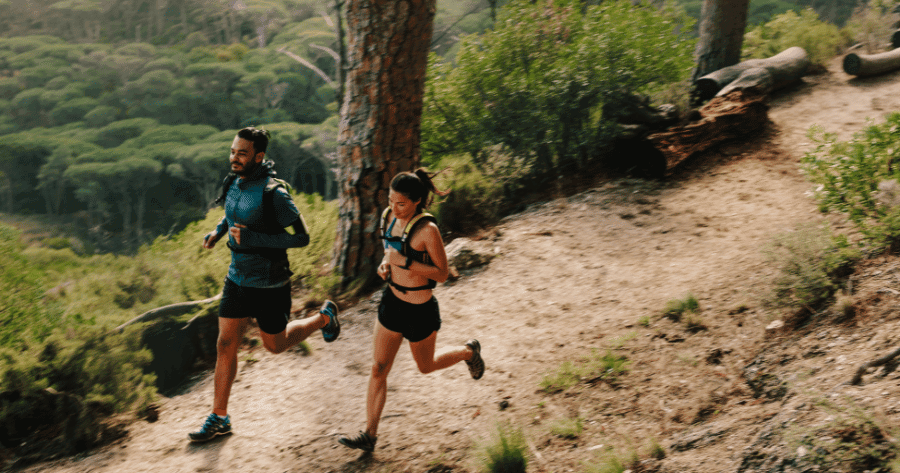
Trail running is accessible to all, from beginners to experienced athletes.
Routes vary in difficulty, allowing everyone to find a suitable challenge.
Equipment is not expensive: a good pair of trail shoes, appropriate clothing, and a light backpack are sufficient.
Trail running also promotes a healthy lifestyle. Regular training improves cardiovascular health, strengthens muscles, and helps maintain a balanced weight. Spending time outdoors in peaceful natural settings boosts mood and mental well-being.
In summary, trail running is much more than a sport—it is a personal journey, an adventure in nature, and an opportunity to improve physical and mental health.
5. Ultra Trail Running: Pushing Beyond Limits
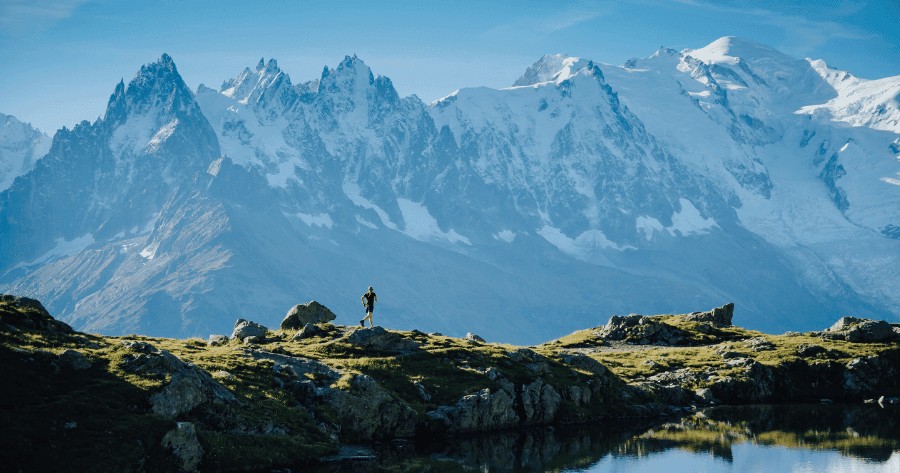
Ultra trail running is a more complex variant of trail running, characterized by distances over 42 km.
Most ultra trail races go well beyond this, reaching 100, 160, or even 330 km.
An iconic example is the Ultra-Trail du Mont-Blanc (UTMB), covering approximately 170 km with over 10,000 m of elevation gain. This race is considered one of the toughest and most prestigious in the world.
Racing an ultra trail requires exceptional physical and mental preparation. For distances over 80 km, it is recommended to work with an experienced Ultra Trail Running coach.
Training strategies for Ultra Trail
Ultra trail preparation includes long and intense workouts on rough terrain, combining slow long runs with uphill speed sessions to improve endurance and muscular powe
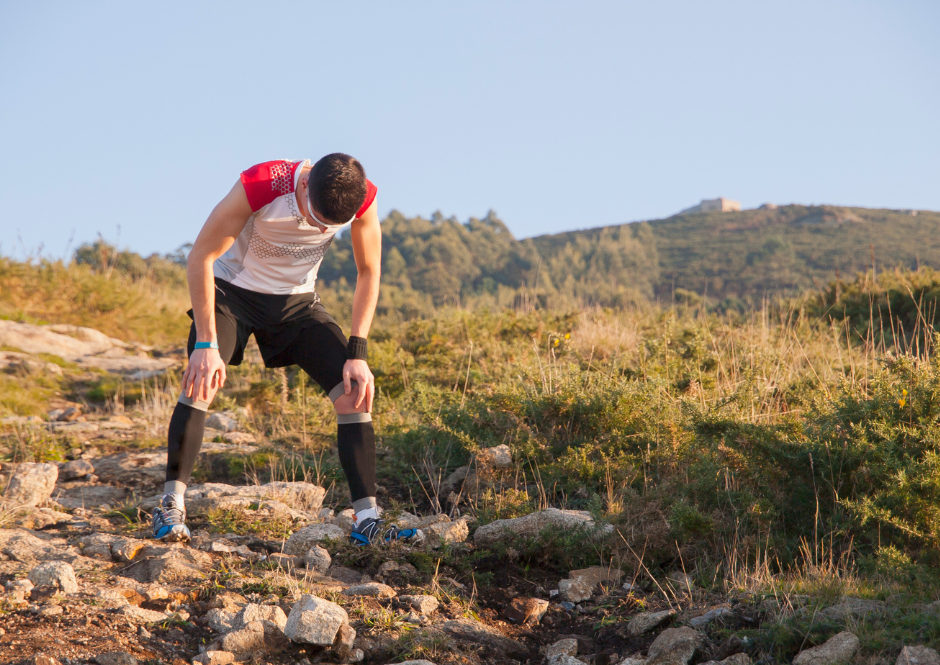 Mental training is also crucial, developing the ability to overcome inevitable crisis moments during the race. Techniques such as visualization, meditation, and self-motivation help maintain focus.
Nutrition and Hydration
Athletes consume large amounts of energy and must regularly refuel with:
-
Carbohydrates (energy drinks, gels, bars)
-
Electrolytes (magnesium, potassium, sodium, calcium)
-
Fluids (isotonic drinks, water)
Skipping a refueling stop or ignoring dehydration signs can seriously compromise performance or health.
Experienced athletes plan nutrition strategies in advance to maintain efficiency throughout the race.
Equipment
Layered technical clothing is essential to adapt to changing weather.
Waterproof, breathable jackets protect against moisture without overheating.
Gloves, hats, or headbands are useful in cold conditions, especially at high altitude or during night runs.
Other equipment includes trekking poles for climbs and descents, reducing muscle fatigue, and headlamps for night races.
Ultra Trail and Mental Management
During an ultra trail race, it is inevitable to face moments of crisis.
Mental management becomes crucial to overcome:
-
Physical fatigue
-
Muscle and joint pain
-
Demotivation and boredom
There are several mental management techniques that can help overcome these challenges:
-
Deep breathing
-
Positive self-talk
-
Breaking the course into small, manageable goals
When practiced consistently, these techniques can help maintain focus and concentration.
Many runners also use strategies such as repeating motivational affirmations or focusing on moments of post-race gratification to avoid giving up during the toughest moments.
Encouragement from spectators and support from other athletes or the assistance team can also make a significant psychological difference.
Managing an Ultra Trail Race
Ultra Trail competitions represent an epic challenge for any runner, combining breathtaking landscapes with extreme technical difficulties.
In summary, Ultra Trail Running is a discipline that pushes athletes to exceed their physical and mental limits.
It requires complete preparation, a well-defined strategy, and a strong spirit of determination.
For those who accept the challenge, reaching the finish line is not only a sporting achievement but also a profound personal accomplishment.
For these reasons, Trail Running Movement has specialized for over 20 years in teaching and preparing athletes of all levels—beginners to elite—for the toughest Ultra Trail races.
Examples of famous Ultra Trail races
 In addition to the Ultra-Trail du Mont-Blanc (UTMB), there are numerous other iconic ultra trail races around the world, including:
- Western States Endurance Run (USA): one of the oldest ultra trails, renowned for its rugged terrain and high temperatures.
- Tor des Géants (Italia): a race covering over 330 km in the Aosta Valley Alps, with an elevation gain of over 24,000 metres.
- Ultra Trail Monte Bianco (Francia): The ‘queen’ of all Ultra Trails that every trail runner must run at least once in their sporting life.
- Lavaredo Ultra Trail (Italia): a picturesque route through the Dolomites, a UNESCO World Heritage Site.
These competitions represent epic challenges for any trail runner, as they combine breathtaking scenery with extreme technical difficulties.
6. Sky Running: Running Towards the Sky

Sky running is a discipline that combines running and mountaineering.
It takes place in extreme mountain environments, often above 2,000 meters of altitude, with routes that include steep climbs, exposed ridges, and technical descents.
The International Skyrunning Federation (ISF) defines this discipline as mountain running with an average slope greater than 30%, sometimes requiring specific technical skills.
Characteristics of Sky Running
Sky running is known for the technical difficulty of its routes, which challenge both physical endurance and the ability to navigate demanding terrain.
Athletes often run on unstable surfaces, such as rocks and snowfields, and must manage altitude changes that can affect physical performance.
Races may include alpine sections where ropes or harnesses are necessary for safety.
For this reason, sky running requires specific preparation and excellent knowledge of the mountain environment.
Training for sky running includes many strength exercises, performed both in the gym and outdoors, along with proprioception sessions to improve balance and coordination.
Classification of Sky Running Races
Over the years, in addition to classic Sky Running races, many other variants have emerged, combining different contexts and disciplines.
| Race Type | Distance | Positive Elevation (min.) | Characteristics |
|---|---|---|---|
| SKY | |||
| Sky | 20–50 km | >2,000 m | |
| SkyRace | – | 1,140 m | |
| SkyMarathon | >30 km | 1,900 m | |
| ULTRA | |||
| Ultra | >50 km | – | |
| Ultra SkyMarathon | >52.5 km | 2,500 m | |
| Ultra XL SkyMarathon | >52.5 km | 5,000 m | |
| VERTICAL | |||
| Vertical Kilometer | max 5 km | 1,000 m | Min slope 25%, sections >33% |
| Double Vertical Kilometer | max 10 km | 2,000 m | Min slope 25%, sections >33% |
| Triple Vertical Kilometer | max 15 km | 3,000 m | Min slope 25%, sections >33% |
| Sky Speed | – | 100 m | Avg slope >33% |
| Vertical Running | – | – | Avg slope >45% (stairs) |
| SkyScraper Racing | – | – | Avg slope >45% (skyscrapers) |
| OTHER | |||
| Stair Climbing | – | 100 m | Slope >45% (indoor/outdoor stairs) |
| SkySnow – Vertical | max 5 km | min 15% | Snow (70%), micro crampons mandatory |
| SkySnow – Classic | min 9 km | 300 m | Snow (70%), micro crampons mandatory |
| SkyBike | – | – | Bike + skyrunning |
| SkyRaid | – | – | Team, skyrunning + other disciplines |
For precise definitions, it is recommended to refer to the official federations or specialized sites.
Examples of Famous Sky Races
-
Trofeo Kima (Italy): one of the most iconic races, featuring exposed ridges and technical high-altitude terrain.
-
Marathon du Mont-Blanc (France): a spectacular route crossing alpine valleys, offering breathtaking views and challenging elevation changes.
-
SkyRace des Matheysins (France): a race combining speed and technicality, known for steep climbs and fast descents.
Physical and Mental Preparation for Sky Running
Training for sky running requires specific workouts on mountainous terrain, with a focus on:
-
explosive muscle strength
-
balance and stability.
These aspects are essential to develop the ability to handle sudden and significant slope variations.
Athletes must train not only endurance but also the ability to adapt quickly to unstable terrain.
The mental component is equally important.
Running at high altitudes can cause dizziness, disorientation, and anxiety. Learning to control breathing and stay calm in difficult situations is essential for safety and performance.
Clothing and Equipment for Sky Races
Sky running requires highly technical and specialized gear, including:
-
Sky running shoes with excellent grip: essential for traction on rocks and slippery surfaces.
-
Lightweight, breathable technical clothing: to cope with temperature variations at altitude.
-
Safety equipment: helmets and harnesses may be required in some competitions with technical passages.
Conclusion
Sky Running offers a unique combination of adventure, technical challenge, and physical exertion.
It is a captivating discipline for those who love the mountains and want to test themselves on extreme routes.
The spectacular landscapes and intensity of the experience make every race an unforgettable adventure.
7. Mountain Running: Trails and Peaks
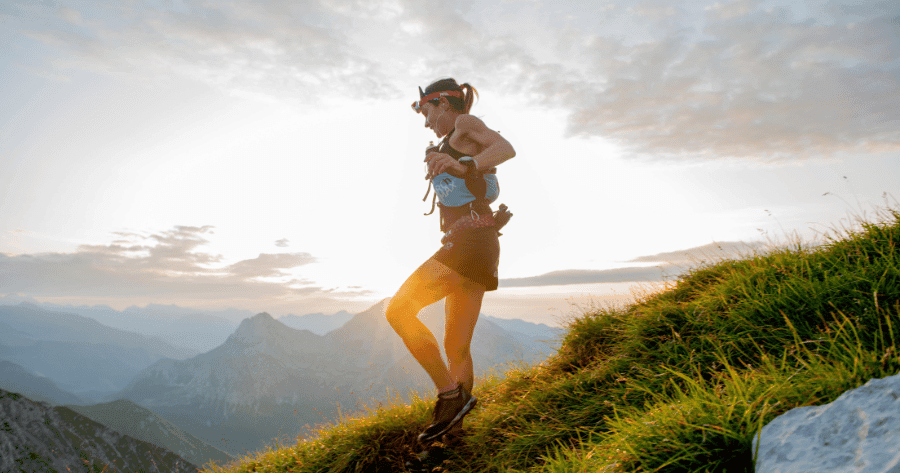
Mountain running, also known as Mountain Running
, is a discipline closely related to trail running and, in fact, is its predecessor, but with some distinctive differences.
It takes place on mountainous routes characterized by significant elevation changes, both uphill and downhill, and variable terrain such as dirt trails, meadows, scree, and rocks.
Unlike longer and more technical trail races, mountain running competitions often have shorter distances, generally between 10 and 42 kilometers, but with extremely steep slopes.
The most significant difference compared to trail running is the absence of mandatory gear.
Given the shorter race time, athletes run without carrying any equipment or food supplies.
In a way, it represents the minimalist version of trail running.
Main Features of Mountain Running
-
Running technique: Athletes must be skilled at managing both climbs, where muscle strength and aerobic capacity are crucial, and descents, which require control, balance, and excellent technique to prevent injuries.
-
Significant elevation gain: Mountain races may have continuous and demanding elevation changes over short distances, challenging athletes’ muscular and endurance capacities.
-
Variable terrain: Depending on the route, athletes can encounter grassy surfaces, scree, rocks, roots, and mud, making the run unpredictable and highly technical, especially at high speed.
Examples of Mountain Running Races
Some of the most famous competitions in this discipline include:

- Zegama-Aizkorri (Spain): An iconic race in the global mountain running circuit, famous for its enthusiastic crowds supporting runners along the toughest sections.
- Sierre-Zinal (Switzerland): one of the oldest and most prestigious races, featuring a spectacular route through the Swiss Alps.
- Trofeo Nasego (Italy): a high-level competition attracting top international mountain running specialists.
Physical Preparation and Strategy
Preparation for mountain running requires a mix of uphill and downhill training combined with strength and agility exercises.
Athletes must also train to adapt quickly to sudden changes in pace imposed by variations in terrain and slope.
High-speed running typical of road races is also important to maintain maximum VO2max.
Energy management is crucial: starting too fast on climbs can lead to early depletion of energy reserves.
Weather Conditions and Safety
Mountain weather can change rapidly, shifting from sun to rain, wind, or fog within hours.
Snow may also be present in the early months of the year.
Athletes must be prepared to face these variables using technical clothing, particularly high-quality mountain running shoes from brands like La Sportiva, Salomon, Scarpa, Hoka, and Adidas Terrex.
Mountain running is a captivating discipline that combines physical effort, technical skill, and connection with nature.
For many runners, tackling steep climbs and technical descents at maximum speed represents a highly stimulating personal challenge.
The speed and challenge, completed in minimal time, particularly attract young and daring athletes.
Thanks to the variety of routes and the beauty of mountainous landscapes, each competition becomes a unique and unforgettable athletic experience
8. Endurance Trail Running: Endurance and Mindset
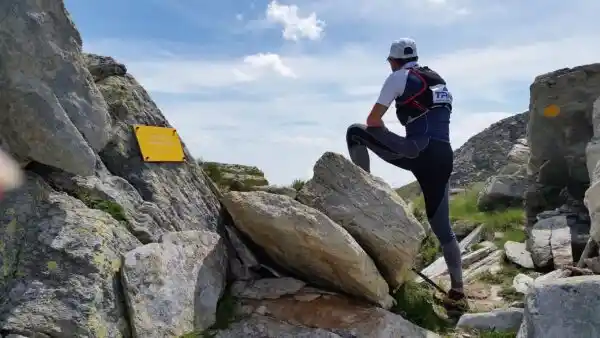
Endurance Trail Running focuses on long-distance trail races that test both physical stamina and mental strength.
Unlike shorter trail events, endurance races push athletes to maintain consistent effort over many hours—or even days—often in challenging and unpredictable environments.
Characteristics of Endurance Trail Running
- Extended duration: races can last from 6 hours to several days, as in the case of stage races or ultra trail endurance (the TRM Coach Transpyrenea race lasted 12.5 days non-stop!). Ultra Trails almost always run at night, a situation that requires training like other races.
- Energy management: it’s essential to carefully plan your food and fluid intake to avoid energy crashes and maintain good hydration. Skipping refueling or neglecting nutrition can compromise performance and even safety.
- Rest strategy: in longer races, such as those that last several days, it’s also necessary to plan short rest periods or micro-naps to recover energy without wasting too much time.
Physical Endurance
The key to success in endurance trail running is progressive physical adaptation.
Athletes must build their aerobic capacity, muscular strength, and joint resilience gradually, increasing both distance and intensity over time.
Training typically includes:
-
Long slow runs to develop cardiovascular endurance
-
Hill repeats and steep ascents to build climbing strength
-
Technical terrain sessions to improve agility, balance, and proprioception
Proper recovery and injury prevention are also critical, as repeated long sessions place significant stress on the body.
Mental Strength
Endurance trail running is as much a mental challenge as a physical one.
Runners often encounter moments of fatigue, pain, and self-doubt.
Developing mental resilience is crucial for overcoming these obstacles.
Some common techniques include:
-
Goal segmentation: Breaking long distances into smaller, manageable sections
-
Positive visualization: Imagining successful completion of each segment or checkpoint
-
Mindful breathing: Using controlled breathing to maintain focus and calm during tough sections
Motivation from spectators, fellow runners, or support crews can also have a significant psychological impact, helping athletes push through the most demanding moments.
Gare celebri di Endurance Trail Running:
- Tor des Geants (Italy): one of the most extreme races in the Alps, covering over 330 km through the Valdostano Alps. Richiede una specific training for at least 9 consecutive months consecutivi (after completing at least one 100-mile race), which is why the TRM Tor Camp, was created, offering specific training to explore the race and learn all the secrets on how to manage it to become a “giant”.
- Swiss Peaks (Switzerland): a 360 km Ultra Trail that crosses some of Switzerland’s most spectacular peaks.
- Marathon des Sables (Morocco): a 250 km stage race in the North African desert. The MDS is considered the New York Marathon of the desert… In this race, the main goal is to avoid dehydration and destroying your feet!
- La Ultra (India): a competition covering up to 555 km, taking place on the ‘roof of the world’ in India’s Ladakh region, at extreme altitudes typical of the Nepalese region.
Essential Equipment
- Technical backpack: capable of holding water, food, a change of clothing, and mandatory supplies. Often, the necessary backpack is large (>20 liters).
- Trail shoes: with adequate cushioning and grippy soles to tackle different types of terrain.
- Layered clothing: necessary to manage weather changes during the race.
- Technology and Safety Accessories: such as headlamps, thermal blankets, and whistles, often required by competition regulations, as well as GPS devices, phones, and powerful power banks.
9. Extreme Trail Running: The Ultimate Adventure
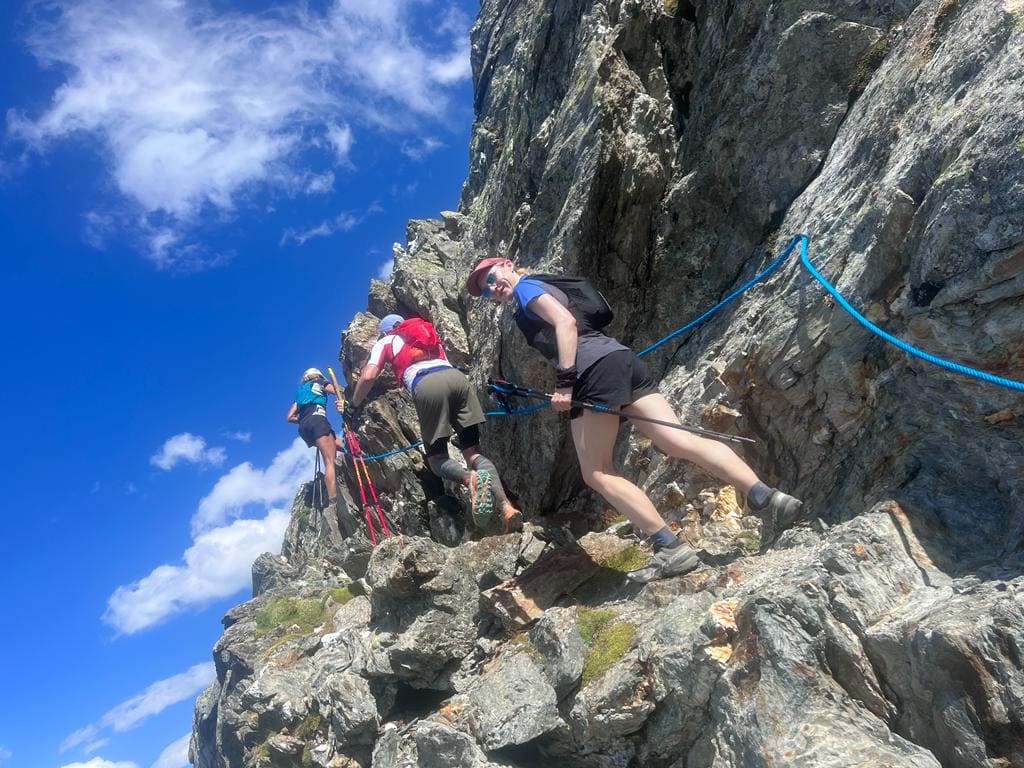
Competitions in this category take place in particularly hostile and remote environments, such as deserts, jungles, glaciers, or high mountains, often under extreme weather conditions.
These events are reserved for experienced runners with significant physical and mental endurance and adaptability.
Key Features of Extreme Trail Running
-
Inhospitable terrain: Races are held in environments where temperatures can be extreme, ranging from -40°C in Arctic conditions to over 40°C in desert areas.
-
Extended distances: Courses can exceed 200 km and traverse highly technical and dangerous terrain.
-
Self-sufficiency: Participants often must carry everything they need, including food, water, and safety equipment, making weight and resource management crucial.
Iconic Extreme Trail Running Races
-
The Spine Race (UK): A 268-mile winter race along the Pennine Way, one of the longest and most challenging trails in the UK.
-
Petit Trotte à Léon (France): One of the toughest races in the UTMB circuit; athletes run completely self-supported without marked flags.
-
Tor des Glaciers (Italy): One of the most extreme races, covering over 450 km across the Aosta Alps.
-
Swiss Peaks 700 (Switzerland): A 360 km ultra trail crossing some of Switzerland’s most spectacular peaks.
-
Yukon Arctic Ultra (Canada): A 640 km race in Canada’s snow-covered wilderness, known for extreme cold (down to -40°C) and the need to pull a sled with mandatory equipment for full self-sufficiency.
-
Transpyrenea 898 (France): Europe’s most extreme endurance race and one of the hardest in the world. TRM coaches Marco Mori and Cristina Tasselli completed it successfully, becoming the only Ultra Trail coaches worldwide to participate and finish this grueling race firsthand.
Physical and Mental Preparation
 Preparation for extreme trail races requires months of specific training, including simulations of the environmental conditions expected during the race.
Beyond physical endurance, it is essential to develop strategies to handle critical situations, such as dehydration, hypothermia, or sleep deprivation.
Mental resilience is perhaps the most important aspect.
Athletes must be ready to face moments of:
-
Solitude
-
Physical pain
-
Psychological stress
often in environments where external assistance is limited.
Essential Equipment
-
High-performance technical clothing: Designed to protect against extreme conditions.
-
Endurance backpacks: Lightweight yet capable of carrying all necessary race supplies.
-
Safety devices: GPS trackers and first aid kits.
Extreme Trail Running is an extreme discipline representing a total challenge for both body and mind.
Participants seek not only athletic performance but also adventure and the chance to push beyond personal limits in spectacular and inhospitable environments.
These competitions require:
-
Peak physical condition (athletic tests, medical exams, blood tests, etc.)
-
Excellent athletic preparation with professional coaches
-
Extensive ultra trail experience, including dozens of races over 167 km
-
Experience in multi-day ultra trail running in complex outdoor contexts
-
Proficiency in GPS technology, orienteering, and extreme adventure skills
For many, completing a race of this kind becomes one of the most significant experiences of their lives.
10. Athletic and Nutritional Preparation for Trail Running

Athletic and nutritional preparation is essential to successfully face the challenges of trail running, both for newcomers and for experienced athletes seeking to improve their performance.
A well-structured training and nutrition plan can make the difference between completing a race successfully and encountering significant difficulties.
Unlike road running or ultramarathon preparation, trail running presents additional challenges related to managing outdoor environments and equipment, which are often overlooked or underestimated by road runners.
Unlike most running disciplines, trail running is considered an extreme sport that requires knowledge and experience far beyond what is commonly thought or portrayed in the media or shared by friends and acquaintances.
Investing time and attention in every aspect of preparation allows athletes to fully enjoy the trail running experience, tackling even the most demanding courses with confidence.
Routes considered “easy” can become critical and very dangerous simply due to changing weather conditions.
Personalized Athletic Preparation
Training varies based on the type of race and the runner’s experience level.
For shorter races, training can focus on aerobic endurance, strength, and running technique.
For longer competitions, such as ultra trail and endurance trail events, it is essential to prepare the body for prolonged efforts.
Preparing the body for extreme exertion includes:
-
Training with loads consistent with the target race distance
-
Testing preparation in intermediate races and high-level Trail Running Camps
-
Checking the efficiency of clothing, equipment, and gear
-
Engaging in real-life experiences with progressively challenging situations typical of this discipline, both in training and in competition
-
Strengthening sports resilience to face and overcome crises
In other words, improvisation is not an option in a discipline that offers no “discounts” when environmental conditions worsen.
Key training areas for trail and ultra trail running include:
-
Aerobic endurance: Long runs at moderate pace to develop the ability to sustain prolonged effort
-
Strength and power: Specific exercises to strengthen muscles used in running, such as quadriceps, calves, and core
-
Uphill and downhill running technique: Applying techniques to handle elevation changes efficiently
Many athletes rely on professional coaches or structured programs to optimize their training.
However, a Trail Running Coach, in addition to providing training plans, should deeply understand the critical situations of the discipline (e.g., running at night, at 3,000 meters of elevation gain, or at -10°C) and advise, race by race, on how to prevent critical situations to tackle them safely.
Trail Running Movement (TRM), for example, offers personalized support through certified TRM Coaches, who guide athletes through every stage of preparation, providing unlimited advice on all areas of the discipline:
-
Running techniques
-
Nutrition and sports supplementation
-
Gear
-
Injury prevention
-
Race management and mental preparation
In practice, this provides a 360° preparation for trail running.
Nutrition Plans and Hydration in Trail Running
Nutrition plays a key role in supporting long hours of running.
A proper balance of macronutrients (carbohydrates, proteins, and fats) and micronutrients (salts, vitamins) is essential to maintain continuous energy and promote muscle recovery.
Years of research and studies in ultra trail races have led to the development of Nutrition and Supplementation Plans for trail running.
Race-day nutrition strategies:
For more demanding races, experienced athletes often prepare with a comprehensive strategy.
They start with nutritional tests and sports diets, then structure, together with TRM Coaches and Nutritionists, a Race Nutrition Plan tailored to each event.
In the TRM Race Nutrition plan, regular intake includes:
-
Fast-release carbohydrates: Provide immediate energy during the run
-
Electrolytes: Prevent muscle cramps and maintain fluid balance
-
Hydration: It is crucial to drink regularly, especially in hot or humid conditions
Many races provide aid stations with liquid and solid food, but it is advisable to carry energy supplements such as gels, bars, and isotonic drinks to remain self-sufficient during longer segments.
Injury Prevention in Ultra Trail
Preventing injuries requires balanced training with progressive loads.
TRM Coaches apply a model tested on over 600 athletes in 10 years – the TRM Method – a personalized process that calculates training intensity and alternates functional sessions to avoid excessive workloads.
The TRM Method combines scientific research with practical applications and includes:
-
Comprehensive initial analyses
-
Tests to determine aerobic and anaerobic thresholds
-
Mixed training sessions
-
Monthly feedback
In addition to structured approaches, it is important to regularly listen to your body and the signals it sends (positive sensations or pain).
To avoid injuries, athletes should regularly include in their training program:
-
Proprioception exercises
-
Core stability sessions
-
Static or dynamic stretching exercises
-
Joint mobility sessions
-
Active recovery or cross-training sessions
Each session must be placed appropriately within the training plan, which varies for every athlete.
Every runner has a different risk of injury, influenced by factors such as:
-
Genetic: gender, age, weight, hereditary predispositions
-
Endogenous: pathologies, stress, previous injuries, surgeries, nutrition
-
Exogenous: external factors related to outdoor practice
Choosing suitable footwear for the terrain and appropriate equipment is also essential.
Professional support can also improve running biomechanics and uphill/downhill techniques, with or without equipment such as poles, which, when used correctly, significantly reduce overload and potential injuries.
Recovery and Regeneration After Training and Races
Recovery is an essential part of athletic preparation and one of the training phases that should never be overlooked.
Too often, athletes mismanage their race calendar, overloading training sessions, and neglecting proper recovery time.
The Training and Race Planning Guide is the best tool to correctly calculate recovery periods between competitions according to the race characteristics.
After intense training or races, it is important to:
-
Perform stretching and muscle relaxation
-
Consume foods rich in proteins and micronutrients to support muscle and tissue repair
-
Get sufficient sleep to regenerate body and mind
Trail Running Movement offers complete programs that include recovery management, with advice on post-race nutrition, relaxation techniques, and strategies to improve sleep quality.
11. Choosing Clothing and Gear for Trail Running
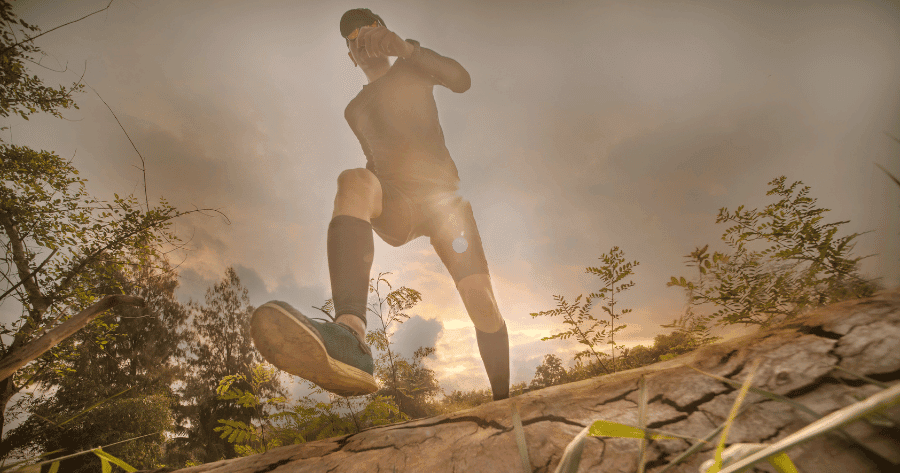
Choosing the right clothing and gear in trail running is a crucial factor to ensure safety, comfort, and optimal performance.
Every runner, whether beginner or experienced, must be properly equipped to face technical terrains and changing weather conditions, which are typical of this discipline.
Let’s take a detailed look at the main components of trail running gear, focusing on:
-
Shoes
-
Clothing
-
Clothing accessories
-
Technical equipment
-
Specific technologies
We could also include useful and interesting aspects such as support services or insurance, which are discussed in the TRM Blog.
Trail Running Shoes
Shoes are the most important piece of equipment for a trail runner.
They must provide a combination of grip, cushioning, and protection to handle uneven surfaces such as rocks, roots, and mud.
Key factors to consider when choosing trail running shoes include:
-
Traction: The sole should have deep lugs to provide grip on slippery terrain
-
Cushioning: Essential for long distances, reducing impact on the joints
-
Protection: Shoes with reinforced toes and sides protect feet from accidental impacts
Brands such as Salomon, La Sportiva, and Hoka One One offer models designed for different types of terrain and weather conditions.
Technical Clothing
Trail running clothing should be lightweight, breathable, and suitable for variable weather conditions.
The layering technique allows runners to quickly adapt to changing weather:
-
Base Layer: A breathable layer that wicks sweat away from the skin
-
Mid Layer: Provides insulation against the cold, such as a thermal shirt
-
Waterproof Jacket: Protects against rain and wind without compromising breathability
Synthetic fabrics, such as polyester and nylon, are preferred for their quick-drying properties.
Clothing Accessories
Accessories are essential to protect the body in extreme conditions:
-
Hat or visor: Protects against the sun
-
Gloves: Useful in cold conditions
-
Neck gaiter: Can be used to protect the neck and face from wind and cold
These items add comfort and safety, especially in high-altitude races or night runs.
Technical Equipment
To tackle long distances, runners need proper technical gear:
-
Hydration pack or vest: Allows carrying water, food, and mandatory race equipment
-
Headlamp: Essential for running in the dark, must have sufficient battery life and a brightness of at least 300–500 lumens
-
Trail poles: Useful on routes with significant elevation changes, helping to distribute effort between arms and legs
These tools improve running efficiency and contribute to the runner’s safety.
Technology and Smart Devices
Technology can be a valuable support for monitoring and optimizing performance:
-
GPS watches: Provide data on distance, altitude, speed, and race time
-
Training apps: Allow analysis of progress and planning of future sessions
-
Heart rate monitors: Help manage effort intensity during the race
Many athletes use these technologies to improve preparation and make strategic decisions during competitions.
Conclusion
In trail running, careful selection of clothing and gear can make the difference between a successful race and a challenging one.
Investing in quality equipment allows athletes to face trail challenges with confidence, ensuring comfort, safety, and optimal performance.
_ _ _ _ _ _
What characteristics do trail running coaches have?
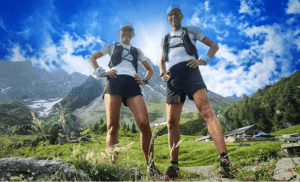
Trail running coaches are fundamental figures in the athletic preparation of those who practice this discipline.
These professionals combine deep theoretical knowledge with practical experience gained in high-level competitions.
Their mission is to guide and support athletes at every stage of their sporting development, providing personalized programs that consider the specific needs of each runner.
A good trail running coach does not only aim to improve the athlete’s physical performance but also helps them develop mental strategies to face the challenges of the most demanding trails.
The ability to manage stress, fatigue, and moments of crisis during a race is often what makes the difference between success and withdrawal.
Key skills of trail running coaches include:
-
Training plan development: Programs designed to improve endurance, speed, and running technique on variable terrains.
-
Nutritional guidance: Support in planning a balanced diet and hydration strategies to optimize performance.
-
Injury prevention and management: Advice on specific exercises and recovery techniques to reduce the risk of injuries.
-
Support for Ultra Trail race preparation: Creation of race plans including guidance on pacing, rest stops, nutrition intake, choice and use of clothing and equipment, and specific tips for tackling each competition.
-
Motivational support: Techniques for visualization, stress management, and strategies to maintain focus during races. In the toughest races, the Trail Running Movement
-
organization and TRM Coaches use WhatsApp groups to stay in touch with athletes and provide advice to overcome difficulties.
TRM Coaches are not just theoretical experts; they have personally experienced the challenges of extreme trail running. This direct experience allows them to fully understand their athletes’ needs and offer practical advice based on the realities of competition.
TRM Coaches are among the best coaches in the world, with over 20 years of experience in Trail, Ultra Trail, and Endurance Trail races.
They are also the only coaches in the world to have completed the Extreme Trail Transpyrenea: a 900 km race with 55,000 meters of elevation across the Pyrenees, run non-stop – day and night – for 12 consecutive days.
All Trail Running Movement coaches are certified by the C.O.N.I. (Italian National Olympic Committee) and hold a 3rd-level Master title, the highest recognized by the Italian National Qualifications System (SNAQ) for sports.
This certification attests to their competence and professionalism in providing support to runners of all levels, from beginners to elite athletes.
What is Trail Running Movement?

Trail Running Movement (TRM) is an international organization dedicated to promoting trail running as an accessible and inclusive discipline for runners of all levels, from beginners to elite athletes.
Founded by a group of experts and enthusiasts with over 20 years of experience, the organization’s main goal is to provide comprehensive support and training for athletes, helping them improve performance through personalized training programs, educational events, and free resources.
Among the services offered by Trail Running Movement are:
-
Personalized training programs: plans designed to improve endurance, running technique, and elevation management.
-
Nutrition and dietary programs: specific support for planning food and hydration strategies, essential during long-distance races.
-
Guidance on gear selection and usage: reviews, often based on field tests, of:
-
shoes
-
clothing
-
accessories
-
equipment
-
food products and supplements
-
all types of gear used in trail, ultra trail, and extreme trail running.
-
-
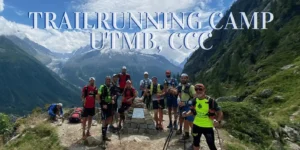
Trail Running Camps: intensive training events – 2 or 4-day full immersion programs – in scenic locations, where athletes can learn advanced techniques and the secrets of Ultra Trail Champions under the guidance of certified TRM Coaches. The most notable camps include:
-
Injury prevention: Advice on specific exercises and recovery strategies to minimize the risk of injuries.
-
Community support: A global network of ultra trail runners sharing experiences, advice, and motivation. This massive community of over 20,000 followers connects daily on TRM’s social networks:
Trail Running Movement stands out for its holistic approach to sports training, combining technical expertise, field experience and innovation.
Thanks to this commitment, it has become a benchmark for the growth and development of trail running at an international level.
_ _ _ _ _ _ _
If you are interested in learning more about trail running and its variations, visit the Trail Running Movement Blog.
Here you can access a wide range of resources for free, dedicated to both enthusiasts and professionals of this sport:
-
Personalized training programs: discover training plans to improve endurance, speed, and technique.
-
Nutrition and dietary programs: meal plans and hydration strategies to maximize performance.
-
Injury prevention: tips to reduce the risk of injuries and improve recovery.
-
Race strategy plans: learn how to tackle difficult races, manage weather conditions, and race nutrition.
-
Trail Running Camps: participate in immersive training camps led by TRM professional coaches.
-
Gear and equipment reviews: in-depth analyses of shoes, backpacks, and technical clothing.
Don’t miss this opportunity to grow and improve.
Join the Trail Running Movement community and experience your passion for running in nature to the fullest!
Visit the TRM Blog and start your journey toward new adventures,
or subscribe to the TRM News Newsletter to learn the tips and secrets of elite athletes!
_ _ _ _ _ _
#TrailRunning #UltraTrail #SkyRunning #MountainRunning #EnduranceTrail #ExtremeTrail #MountainRunning #TrailRunningMovement #TrailRunningAthleticPreparation #TrailRunningTrainingPlans #TrailRunningRacePlans #TrailRunningNutrition #TrailRunningInjuryPrevention #TrailRunningTechnicalClothing #TrailRunningGear #TrailRunningCamp #TrailRunningCoach #TrailRunningRaces #UTMB #ITRA #ISF #TrailRunningBlog #TRMCoach
__________
What is the Definition of Trail Running and How Does it Differ from Road Running?
Trail Running is a running discipline that takes place on natural trails, such as mountain, hill, or forest paths.
It differs from road running because of the terrain, which is variable and technical, with rocks, roots, mud, and significant elevation changes.
According to the International Trail Running Association (ITRA), a trail running race should take place on asphalt surfaces for no more than 20% of the total distance.
Trail running is not just about speed—it also involves adapting to the terrain and connecting with nature.
When is a Race Defined as Ultra Trail Running, and What Are Its Main Challenges?
A race is classified as Ultra Trail Running when its distance exceeds 42 km (the marathon distance).
These competitions often extend for hundreds of kilometers and require exceptional preparation.
The main challenges are linked to managing both mental and physical endurance, including:
-
Proper nutrition and hydration over long distances.
-
Extreme fatigue and managing sleep deprivation (especially during night running).
-
The ability to compete in total self-sufficiency.
What Characterizes Sky Running and How Does It Differ from Trail and Ultra Trail?
Sky Running (or “Running to the Sky”) focuses on running in extreme mountainous environments, often at altitudes above 2,000 meters.
This discipline stands out for courses that include steep climbs, exposed ridges, and highly technical descents.
Beyond endurance, it requires advanced technical skills and, in some dangerous sections, even mountaineering abilities (such as using ropes or harnesses).
Its specificity lies mainly in altitude and the high level of technical skill required.
What Are the Three Main Differences Between Trail Running, Ultra Trail, and Sky Running?
The three disciplines differ primarily in:
-
Distance: Trail Running covers a variety of distances up to around 42 km, Ultra Trail is defined by longer courses (over 42 km), while Sky Running may have shorter distances but with high technical difficulty.
-
Altitude: Sky Running mainly takes place at high altitude (often above 2,000 meters), while Trail and Ultra Trail can traverse more varied environments.
-
Technique/Endurance: Sky Running requires higher technical skill on exposed terrain, Trail Running focuses on pace management, and Ultra Trail emphasizes endurance and mental stamina to overcome extreme fatigue.
Who is Trail Running Movement (TRM) and What Role Does It Play in the Running World?
Trail Running Movement (TRM) is an organization that supports trail runners with professional services, tools, and advice.
The most appreciated services by TRM ultra trail runners include:
-
Training programs (TRM Training Plan) with specific divisions for different distances (e.g., 0–45 km, 46–80 km, etc.).
-
Nutrition plans (TRM Nutrition Plan).
-
Race strategies, injury prevention, and participation in Trail Running Camps.
TRM Coaches are professionals who assist athletes in both physical and mental preparation for Trail and Ultra Trail races.
How Are Distances Classified in Ultra Trail Running, for Example According to ITRA and TRM?
Although there is no single universal classification, both ITRA and TRM divide Ultra Trail races by distance to reflect increasing levels of difficulty.
According to ITRA (International Trail Running Association):
-
Trail Ultra Medium (M): 42–69 km
-
Trail Ultra Long (L): 70–99 km
-
Trail Ultra XLong (XL): Over 100 km
According to TRM (Trail Running Movement): The TRM Training Plan uses more granular divisions, such as:
-
0–45 km
-
46–80 km
-
81–120 km
-
121–167 km
-
170 km and beyond, up to 1,000 km
These divisions allow athletes’ preparation to be adjusted according to the increasing physical, nutritional, and psychological difficulty.
endurance trail running, endurance trail running definition, extreme trail running, mountain running, skyrunning, trail and ultra trail running difference, trail runner, trail running, trail running, trail running definition, Trail Running Programs, Trail Running Programs, ultra trail, Ultra Trail Running, ultra trail running definition