



Trail running coach: who they are, what they do and how to choose the best one
Trail running is a fascinating and complex sport that challenges both body and mind across variable terrain, demanding climbs, and technical descents, and it requires far more than simple endurance.
A trail running coach can truly make a difference—whether you are a curious beginner, an intermediate athlete looking to improve, or an experienced runner ready to compete at the highest level.
In this comprehensive guide, we will explore everything related to trail running coaching, from the fundamentals of training to running technique, nutrition and recovery, without overlooking the mental aspect and the use of technology.
You will discover how a coach can help you:
-
develop specific strength
-
improve off-road running technique
-
manage your season and races more effectively
-
prevent injuries
-
integrate nutrition, recovery and mental approach into a coherent and personalized training path.
We will also help you understand how to find the right coach for your needs, which qualities and certifications they should have, where to find them, and—according to our perspective—who the best online trail running coaches in Italy are.
If you are ready to discover how coaching can transform your trail running experience, this guide will take you step by step, providing practical tools and actionable advice to help you become a more prepared, confident, and aware trail runner
_ _ _ _ _
_ _ _ _ _
Who is a trail running coach
A trail running coach is much more than someone who simply prepares a training plan.
They are a professional figure who accompanies the athlete along their journey, helping them to:
-
improve performance
-
manage physical and mental load
-
move consciously in a complex environment such as mountains and trails.
In trail running there is no single path that works for everyone: terrain, elevation gain, distances, environmental conditions change — and above all, people change.
The coach’s role is precisely to bring order to this complexity, turning goals, time availability and individual characteristics into an effective and sustainable training pathway.
What a trail running coach does
In practical terms, a trail running coach builds and adapts personalized training programs, taking into account the athlete’s level, target races and training context. However, their work goes far beyond planning.
A coach supports the athlete over time by:
-
monitoring progress
-
correcting mistakes
-
managing periods of fatigue
-
finding the right balance between training, recovery and everyday life
-
working on uphill and downhill running technique, specific strength and elevation management
-
providing guidance on nutrition, recovery and race strategy.
In short, a trail running coach doesn’t just train the body, but guides the athlete toward becoming more aware, efficient and prepared to face increasingly demanding trails and competitions.

Differences between a trail running coach and a road running coach
Although trail running and road running share running as a basic movement, the differences between the two disciplines are profound. As a result, the coach’s role also changes significantly.
A road running coach mainly focuses on:
-
pace
-
running economy on regular surfaces
-
managing races with predictable profiles.
In trail running, far more complex variables come into play:
-
uneven terrain and technical courses
-
steep climbs
-
technical descents
-
long hiking sections
-
continuous changes of pace
-
often unpredictable environmental conditions.
A trail running coach must therefore manage not only intensity, but also elevation gain, muscular adaptation, resistance to prolonged fatigue and the athlete’s ability to move safely on difficult terrain.
Relying on a specialized coach makes a real difference because it avoids applying road-running logic to a sport that requires a completely different approach.
Why trail running requires specific expertise
Running in the mountains or on technical trails means dealing with high muscular loads — especially downhill — and prolonged stress that cannot be improvised.
A trail running coach must understand how the body adapts to elevation, know how to build safe progressions, prevent common injuries and teach the athlete how to manage fatigue over long distances.
Direct field experience is also essential, because certain dynamics can only truly be understood by living races and training sessions in a natural environment.
It is precisely this combination of technical, scientific and experiential skills that makes the trail running coach an indispensable figure for anyone who wants to improve in a serious, safe and long-lasting way.
Why rely on a trail running coach
Many trail runners start training on their own, driven by enthusiasm and the pleasure of running in the mountains, without immediately feeling the need for structured guidance.
Over time, however, training becomes more frequent, races more demanding and goals clearer — and it is at this stage that the need for more conscious support begins to emerge.
Relying on a trail running coach does not mean delegating motivation, but rather giving clear direction to the work you are already doing.
To understand whether it is truly the right choice, it helps to start by looking at the limits of self-coached training and what a specialized coach can offer beyond that.
The limits of self-coached training
Training alone can work for a while, especially when the body responds well and curiosity pushes you to explore new routes without too many expectations.
The problem is that without an overall vision, it becomes easy to accumulate workloads in a disorganized way or to repeat the same patterns that do not allow for real performance improvement.
One of the main limits of self-coached training is the difficulty in evaluating whether what you are doing is truly coherent with your goals and your current level.
Often, training is guided by momentary sensations, without being able to distinguish between positive adaptation and signs of overload.
The most common limits of training without guidance include:
-
poorly balanced workload distribution
-
underestimated or randomly managed recovery
-
repeated sessions without real progression
-
difficulty managing elevation gain
-
increased risk of injury.
Without external feedback, it also becomes difficult to correct mistakes before they turn into more serious problems.
In the long term, this approach often leads to:
-
stagnation
-
loss of motivation
-
forced breaks.
In some cases, even serious injuries that prevent continuing the sport… better to avoid that!
The benefits of a specialized coach
Relying on an experienced trail running coach means introducing method and continuity into a path that may previously have been guided more by instinct than planning.
A specialized coach doesn’t necessarily overturn what you are doing, but makes it more effective and sustainable over time.
The first major benefit is true training personalization, built around your level, your available time and the races you want to tackle.
Added to this is a more conscious management of training load, allowing improvement while reducing the risk of overload.
The main advantages of a trail running coach are:
-
training calibrated to your real level
-
gradual and coherent progression over time
-
better management of elevation and fatigue
-
correct integration of strength training
-
greater continuity and consistency
-
reduced risk of injury.
Another fundamental aspect is continuous feedback, which allows the plan to be adapted based on how the body responds and how training feels.
In this way, training becomes a dynamic process rather than the simple execution of a schedule.
When is the right time to start working with a coach
There is no universal moment that works for everyone, because each athlete has a different background, level and goals.
However, there are fairly clear signs that indicate when the help of a trail running coach can truly make a difference.
It is often the right time when you train regularly but feel you are not improving, or when you are preparing for a more demanding race and want to arrive with greater confidence.
A series of small injuries or a persistent feeling of fatigue can also be important indicators.
Other signs to consider include:
-
difficulty managing training load and recovery
-
limited time and the need for targeted training
-
confusion about how to structure the season
-
desire to give more meaning to training sessions.
Even beginners can benefit greatly from guided coaching, because learning correct fundamentals from the start helps avoid many future mistakes.
In short, the right time to rely on a trail running coach is when you feel the need to turn training into a more conscious and coherent journey, regardless of your starting level.

A trail running coach for every athlete level
Experience, sporting background, available time and personal goals make every athlete different — and this is exactly why a trail running coach’s work must adapt to the real level of the person in front of them.
A great coach personalizes training for every athlete
regardless of level: beginner, amateur or professional.
A common mistake is thinking that a coach is only useful for advanced athletes or those aiming for major races, when in reality the value of a coach changes with the athlete’s level but remains central at every stage.
To better understand this, let’s start with those taking their first steps into trail running.
Trail running coach for beginners
Those approaching trail running often come from very different backgrounds.
Some come from road running, some from other endurance sports, while others start almost from scratch, driven by a love of the mountains and the desire to challenge themselves.
At this early stage, the coach’s role is mainly educational and orientational. The goal is not to push hard, but to build solid foundations.
Common expectations
A beginner trail runner turns to a coach with very concrete expectations, often linked to the need for clarity.
At the beginning, the focus is not performance, but the reassurance of doing things the right way.
The most common expectations are:
-
understanding how to train without overdoing it
-
gradually improving endurance
-
arriving prepared for first races
-
avoiding major mistakes.
Behind these expectations lies the desire to feel guided, especially in a sport that can seem complex and unintuitive.
A beginner trail running coach must first and foremost meet this need for orientation.
Initial fears and doubts
Alongside expectations, beginners also bring many fears, often unspoken.
Trail running is fascinating, but it can also be intimidating — especially when it comes to elevation, fatigue and injuries.
The most common doubts concern:
-
training that is too hard or unsuitable
-
risk of injury
-
lack of time to follow a program
-
difficulty understanding whether progress is being made
-
fear of not being “ready enough”.
These fears are normal and part of the journey.
A competent coach does not minimize them, but addresses them by explaining and adapting the work step by step.
What a coach should offer beginners
A trail running coach working with beginners must know how to simplify without oversimplifying.
Their value lies in translating complex concepts into practical, understandable guidance.
Essential elements include:
-
a gradual and progressive approach
-
clear explanations of why sessions are done
-
attention to recovery and injury prevention
-
constant listening to the athlete’s sensations
-
flexibility in time management.
Rather than focusing on numbers, a good beginner coach builds foundations first: strength, technique, familiarity with elevation and confidence in one’s body come before anything else.
In short, the coach becomes a guide who accompanies — not a judge who evaluates.

Trail running coach for intermediate athletes
Intermediate athletes are often the ones who feel the need for a trail running coach most strongly.
They train regularly, have raced a few times and know the typical sensations of trail running, but begin to realize that training “by feel” is no longer enough.
It is a delicate phase: there is still room for improvement, but the risk of mistakes also increases.
Here, the coach’s role becomes more strategic compared to that of a beginner.
Expectations of the intermediate athlete
An intermediate trail runner turns to a coach with the idea of making a real step forward.
They are no longer just seeking reassurance, but concrete tools to improve.
Common expectations include:
-
improving race performance
-
better managing elevation and fatigue
-
structuring training more effectively
-
preparing longer or more technical races
-
training coherently with limited time.
At this stage, the desire to better understand training also grows. The athlete wants to know why certain sessions are done and how they fit into the overall plan.
In short, the main expectation is to turn consistent effort into clearer, repeatable results.
Common fears and doubts
Alongside these expectations, new doubts emerge, often linked to the fear of making mistakes as commitment increases.
The intermediate athlete knows improvement is possible, but fears going about it the wrong way.
Common concerns include:
-
increasing workload too much
-
mismanaging recovery
-
incurring overuse injuries
-
not receiving truly personalized coaching
-
losing the joy of running.
Another frequent fear is relying on a coach who offers standard programs that are poorly adapted to real needs.
At this stage, individual differences start to matter much more.
In short, the intermediate athlete seeks growth without compromising continuity and motivation.
What a coach should offer intermediate athletes
A trail running coach working with intermediate athletes must build a more structured pathway without making it rigid.
Their value lies in adapting the method to the athlete’s responses.
Key elements include:
-
clear weekly and seasonal planning
-
well-reasoned load progression
-
specific work on strength and elevation
-
constant monitoring of sensations
-
quick adjustments when unexpected issues arise.
Dialogue becomes essential. The coach does not impose, but discusses choices, helping the athlete become more aware.
In short, the coach becomes a reference figure guiding the athlete’s evolution without distorting their path.
Trail running coach for experienced athletes
Experienced athletes have years of training, racing and adaptations behind them.
They know their bodies well, have faced difficult moments and understand what it means to manage fatigue, elevation and race-day unpredictability.
For this very reason, when they choose to rely on a trail running coach, they do so with very precise expectations.
They are not looking for basic guidance, but for support that can make a difference at key moments.
Expectations of the experienced athlete
An experienced trail runner turns to a coach to optimize what already works, not to start from scratch.
The focus shifts from large volumes to work quality.
Common expectations include:
-
targeted preparation for a specific race
-
advanced periodization management
-
work on details that impact performance
-
technical, peer-level dialogue
-
support in race strategy.
At this stage, the athlete expects the coach to quickly understand context, level and personal needs. The coach’s value lies in reading nuances, not in offering generic solutions.
In short, the experienced athlete seeks precision, not generalities.
Doubts and fears about relying on a coach
Even highly experienced athletes can have doubts about delegating part of their preparation.
The main fear is losing autonomy or facing an overly rigid approach.
Common concerns include:
-
receiving poorly personalized guidance
-
having to change one’s method too much
-
lack of real dialogue
-
difficulty communicating sensations and feedback
-
an excessively theoretical approach.
Another delicate aspect is online coaching. Experienced athletes often wonder whether it is possible to work on details without constant in-person presence.
In reality, when the method is solid and communication is continuous, online coaching can be extremely effective even at high levels.
What a coach should offer experienced athletes
A trail running coach working with experienced athletes must enter the athlete’s journey with care and respect.
Their role is not to impose, but to refine.
Essential elements include:
-
in-depth analysis of the athlete’s profile
-
flexible yet structured planning
-
specific work on strength, technique and recovery
-
strategic management of target races
-
continuous, constructive dialogue.
At this stage, mutual trust becomes essential. Coach and athlete work as a team, sharing responsibility and decisions.
In short, the coach becomes a performance partner, not just a training-plan provider.

How to become a trail running coach in Italy
Becoming a trail running coach in Italy means undertaking a pathway that goes far beyond simple personal racing experience.
The regulatory reference framework is the National System of Sports Coaches Qualifications (SNAQ), developed by CONI to clearly define roles, competencies and responsibilities of sports coaches, protecting both athletes and sports organizations.
In trail running, as in all sports disciplines, qualifications are issued by Sports Promotion Bodies (EPS) recognized by CONI, which apply the SNAQ model through structured and progressive training pathways.
The SNAQ system: levels and increasing responsibilities
The SNAQ model includes four qualification levels, each with a different degree of autonomy, competence and responsibility.
Not all levels are always present as specific courses in every discipline, but the system defines a clear professional progression, especially for those aiming to work at a high level.
Trail running coach – Level 1 (SNAQ Level 1)
Level 1 represents entry into the world of sports coaching.
According to SNAQ, a coach at this level:
-
works in organized contexts
-
applies predefined training programs
-
works with beginners or entry-level athletes
-
collaborates with higher-level coaches.
In trail running, this means working with beginner groups, assisting a senior coach, managing introductory training sessions and acquiring fundamental skills related to safety, progression and the natural environment.
Trail running coach – Level 2 (SNAQ Level 2)
Level 2 identifies the coach with full operational autonomy.
According to SNAQ documentation, a coach at this level is able to:
-
manage intermediate and advanced athletes
-
evaluate training load, recovery and adaptations
-
integrate technical, physical, mental and nutritional aspects
-
collaborate with other performance professionals.
In trail running, this is the level most professional coaches belong to — those capable of preparing full seasons, target races, ultra-trail events and long-term development pathways.
Trail running coach – Level 3 (SNAQ Level 3)
SNAQ Level 3 represents a highly specialized figure, not always offered as a specific course in every discipline, but clearly defined within the CONI system.
According to SNAQ, a Level 3 coach:
-
works with high-level athletes of national interest
-
manages complex and multidisciplinary programs
-
coordinates other coaches and professional figures
-
contributes to the methodological development of training theories.
In trail and ultra-trail running, this role may correspond to:
-
head coaches of structured teams
-
technical directors of advanced sports projects
-
coaches with international experience
-
professionals involved in developing training methodologies and systems.
This role goes beyond “coaching” alone and involves managing complex coaching systems and adapting daily or weekly plans for elite athletes.
Trail running coach – Level 4 (SNAQ Level 4)
Level 4 is the highest tier of the SNAQ system and is reserved for figures of absolute excellence in sport.
According to CONI documentation, a Level 4 coach:
-
operates in top-level national and international contexts
-
contributes to defining technical guidelines for the discipline
-
carries out training, research and supervisory activities
-
plays a strategic role in the development of the sport on behalf of Federations and CONI.
In trail running, this level does not necessarily correspond to a formal “course,” but rather to recognition of long-term experience and expertise, often linked to:
-
training other coaches
-
high-level consulting
-
development of proprietary methodologies
-
collaboration with federations, institutions or international projects.
It is a rare figure, but essential for the evolution of the discipline.

Online trail running coaching: how it works
In recent years, more and more trail runners have chosen to rely on an online trail running coach.
This is not just a matter of convenience, but a shift in how coaching and training are experienced.
The idea of remote coaching can initially raise doubts, especially in a sport practiced in complex environments like the mountains.
In reality, when the method is solid and communication works, online training can be extremely effective even in trail running.
To understand this better, it is useful to compare the two approaches and see how online coaching really works.
Online training vs in-person training
Online training and in-person training are not opposite worlds, but two different ways of delivering the same service.
The main difference lies not so much in the medium, but in the coach’s methodology.
While in-person coaching often draws value from direct observation and face-to-face interaction, online coaching focuses more on continuity of monitoring and quality of communication.
Key differences include:
-
communication methods
-
frequency of feedback
-
flexibility in managing training
-
access to highly specialized coaches regardless of geographic location
-
athlete autonomy.
In trail running, where training often takes place in different locations and at variable times, online coaching offers a major practical advantage: the athlete is not tied to fixed appointments but can be followed continuously.
In short, effectiveness depends not on physical presence, but on the quality of the method and the relationship.
How an online coaching pathway is structured
A well-designed online coaching program always starts with an in-depth analysis phase.
Without this foundation, even the best platform loses value.
Typically, the process includes:
-
collecting athlete information
-
analyzing level and goals
-
defining races and the season
-
training planning
-
continuous monitoring of data and sensations.
The coach uses digital tools to:
- share training plans
-
collect feedback
-
analyze completed sessions.
These tools do not replace the human relationship but make it more structured.
This way, the athlete always knows what to do — and, more importantly, why — allowing the process to remain progressive, adaptable and coherent over time.
Communication, feedback and plan adaptation
One of the most important aspects of online training is communication.
Without constant dialogue, even the best plan risks losing effectiveness.
A good online trail running coach builds a clear and continuous channel of communication where the athlete is encouraged to share sensations, difficulties and unexpected issues.
Key elements include:
-
regular feedback on completed workouts
-
discussion of physical and mental sensations
-
load adjustment based on responses
-
plan corrections when needed
-
support during difficult periods.
This approach allows for rapid intervention, preventing small problems from becoming major obstacles.
In trail running, where training load can vary greatly from week to week, this flexibility is essential.
In short, online coaching works when communication is an integral part of the process, not an occasional add-on.
Why online training can work in trail running
Trail running is particularly well suited to online coaching for several often-overlooked reasons. Variable training, changing environments and constant adaptation make flexibility a key factor.
An online trail running coach can follow the athlete wherever they train, without geographic limitations, ensuring continuity even when schedules or weather change.
Reasons why online coaching works in trail running include:
-
greater continuity of support
-
rapid adaptation to unexpected events
-
access to highly specialized coaches
-
increased athlete responsibility
-
effective integration of training data.
Online coaching also promotes greater autonomy and awareness. Athletes learn to interpret their sensations and engage actively in dialogue with their coach.
In short, when the method is solid and the relationship well built, online coaching is not a compromise but a real opportunity — even in trail running.

How to choose the best trail running coach
Choosing a trail running coach is not just about résumés or certifications, but above all about compatibility with your training style, goals and experience level.
Finding the right coach means ensuring a path that is effective, safe and motivating — one that supports growth without making you feel lost or overwhelmed.
Before committing to a coach, it’s important to ask key questions, such as:
-
what experience they have in trail running and with athletes at your level
-
how they structure and personalize training plans
-
whether they offer online, in-person or hybrid coaching
-
how they manage feedback and corrections
-
what tools they use to monitor load, recovery and performance.
These questions help you understand not just what the coach does, but how they work — and whether their approach suits you.
Evaluation criteria for beginners, intermediates and experts
One of the first things to assess is real specialization in trail running.
A coach may have a strong running background, but without direct experience on mountain trails, elevation gain and technical terrain, it is hard to build an effective program.
Practical experience matters greatly, both as a coach and ideally as an athlete.
A coach who has lived trail races, ultra-trail events and endurance competitions understands fatigue, unpredictability, crises and key race moments — and can provide concrete, experience-based guidance rather than purely theoretical advice.
Another fundamental criterion is personalization.
A good coach does not offer standard templates but builds training around your level, available time, terrain, sporting history and seasonal goals.
If a program looks identical to that of other athletes, it’s worth questioning.
Finally, observe communication and support style.
An effective coach is present, responsive, attentive and adaptive, helping you interpret sensations, data and results. In trail running especially, the coach-athlete relationship is a core part of the growth process.
Mistakes to avoid when choosing a trail running coach
One common mistake is choosing based solely on name recognition or popularity.
A great athlete is not automatically a great coach, and a highly visible social media profile does not guarantee solid skills or a structured method.
A successful coach can demonstrate having trained hundreds of athletes and
having guided some to top national and international levels (e.g. World Championships).
Another frequent mistake is choosing a coach who promises rapid results or extreme improvements in a short time.
In trail running, progress is gradual and requires patience. Unrealistic promises often lead to overload, injury or burnout, especially in the medium to long term.
Many athletes also underestimate personal compatibility.
Training with a coach without dialogue, trust or shared clarity of goals makes the process frustrating and ineffective.
The relationship should be professional, honest, transparent and human — based on listening and mutual exchange.
Another mistake is thinking a coach should focus only on mileage and pace.
Trail running involves many factors:
-
strength
-
technique
-
recovery
-
equipment selection for trail, ultra and endurance events
An overly narrow approach risks leaving essential aspects of preparation uncovered.

Why choosing a trail running coach makes a difference
Relying on a trail running coach means far more than having a training plan to follow:
it means having constant, expert and personalized support
that accompanies you step by step throughout your athletic journey
An experienced coach supports the athlete holistically — from training to nutrition, injury prevention to recovery, and from motivation to the mental strength required to face this demanding discipline.
Let’s look at the main benefits in detail.
Injury prevention
In trail running, injuries rarely occur by chance. They are often the result of overly rapid progressions, inadequate technique or insufficient attention to recovery.
For this reason, a trail running coach does not focus solely on mileage and volume, but works to protect athletes from common risks by guiding them intelligently step by step.
Typical trail running injuries include:
-
knee pain (runner’s knee) or shin pain
-
muscle cramps
-
overuse injuries caused by terrain variability and constant elevation changes, such as plantar fasciitis.
An experienced coach recognizes early signs of fatigue and structures training so the body has time to adapt gradually, reducing the likelihood of forced breaks.
In practice, it’s not just about “running less,” but about running better — with a plan that reduces stress and builds durability over time.
Trail running coach and specific strength training
Mountain running places muscles and joints under complex, variable stress, very different from road running.
A trail running coach helps integrate targeted strength exercises so the body develops functional robustness, allowing for more effective uphill running and controlled, confident descents.
This is not just about lifting weights, but about specific work for:
-
quadriceps
-
glutes
-
calves
-
core and stabilizing muscles.
Over time, these stimuli improve stability, balance and impact absorption, reducing injury risk and improving movement quality on technical terrain.
Intelligent strength integration is one of the most effective ways to improve performance without sacrificing health or continuity.
Off-road running technique
In trail running, every foot strike is different and every step may require real-time adjustment.
A skilled trail running coach doesn’t just assign mileage but helps refine specific movement skills:
-
tackling steep climbs without wasting energy
-
controlling speed on descents to avoid early fatigue
-
moving on unstable terrain without losing balance.
Training running technique develops a smoother, safer and more sustainable stride, reducing micro-errors that over time lead to premature fatigue or minor injuries.
Elevation management
Elevation gain is the heart of trail running. Long climbs and technical descents require specific adaptations that cannot be improvised.
A trail running coach structures training weeks so the body adapts progressively, incorporating:
-
targeted uphill sessions
-
work on variable terrain
-
simulations of race conditions.
This allows the neuromuscular system to handle trail-specific stress without performance drops or discomfort caused by excessive early exposure.
Managing elevation is not just about power — it’s about balance, rhythm and the ability to read the terrain, where a coach’s experience becomes invaluable.

Trail running season planning
A successful trail running season does not come from individual workouts, but from an overall vision — from choosing target races to preparatory events, load phases, tapering, peak form and post-race recovery.
A trail running coach builds a race calendar considering:
-
your goals and how your body adapts over time
-
which races to use as form tests
-
how to distribute workload peaks
-
when to rest and recover effectively before main objectives.
With a well-structured seasonal plan, you can manage form, race consistently and maintain continuity throughout the season.
Race strategy
Arriving well trained is essential, but knowing how to race turns preparation into results.
Race strategy includes:
-
energy distribution across race phases
-
in-race nutrition
-
moments of active recovery.
With a coach, each race becomes a clear plan rather than an unknown challenge.
Trail running coach and nutrition
Nutrition is not an accessory but an integral part of training — especially in trail running, where races can last many hours.
A good trail running coach works alongside a sports nutritionist to build a daily nutritional strategy that supports training, guides pre-workout meals and post-workout meals and defines race nutrition plans to maintain energy and reduce metabolic crises.
Trail running nutrition plans consider:
-
daily life and nutrient balance
-
race practicality: what to carry, when to eat, hydration management based on climate and race duration.
Personalized nutrition is part of a complete and coherent training pathway.
Recovery and post-training
Recovery is when the body repairs and strengthens itself. Without adequate recovery time, each subsequent workout starts from a weaker base.
A trail running coach builds training plans that include:
-
recovery days
-
deload weeks
-
active recovery techniques such as stretching, mobility or light sessions.
Sleep is also treated as a fundamental variable: without proper rest, physiological recovery slows, increasing the risk of chronic fatigue.
Mental aspects in trail running
Mental fatigue, fear of steep descents or doubt during long races can deeply affect performance.
An experienced coach helps train not only the body but also the mind, including:
-
motivation work
-
long-term consistency
-
mental preparation for difficult race situations.
Often, the difference between finishing strong and giving up happens in the mind before the legs.
Technology in trail running
Technology is a powerful tool when used wisely.
GPS devices, heart-rate monitors and modern sensors help track load, pace and recovery — but numbers alone don’t tell the full story.
A trail running coach knows how to interpret data in context, helping you understand what truly matters and how to use information to make better decisions.
Numbers are useful when they support decision-making — not when they replace it.

Who are the best trail running coaches in Italy
When talking about the best trail running coaches in Italy, it is important to avoid rigid rankings or oversimplifications.
In trail running—more than in many other sports—the quality of a coach is measured in the field, over time, through:
-
real-world experience
-
recognized education and certifications
-
results achieved by the athletes they coach
-
the ability to manage extreme and complex environments.
Among the most authoritative profiles in the Italian scene are individuals who have practiced trail running for decades, not only as international athletes but also as a professional life project, with the creation of www.trailrunningmovement.com and all its channels, which now reach over 25,000 followers worldwide.
In summary the profiles:
Cristina Tasselli Level 3 Trail Running Coach
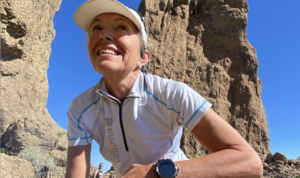
Athlete and coach, co-founder of Trail Running Movement.
She is the only Italian female athlete to have completed a 900 km non-stop race with 55,000 meters of positive elevation gain.
Among her most significant competitions are:
In 2016, she brought Italy onto the podium at the Transpyrenea 900 km, considered one of the toughest non-stop races in the world, finishing 3rd overall woman and 1st Italian woman.
Alongside her elite athletic career, she holds solid CONI-certified education as a Level 3 Trail Running Coach, strength and conditioning coach, and specialist in sports nutrition and supplementation.
She is also highly active as a trainer of new trail running coaches in Italy.
Marco Mori Level 3 Trail Running Coach
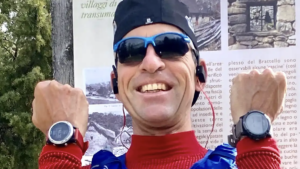
Athlete and coach, co-founder of Trail Running Movement.
He has completed over 150 international ultra-trail races, achieved numerous age-category podiums, and competed in iconic endurance trail events such as:
He is also the only Italian strength and conditioning coach to have raced and completed the 900 km Transpyrenea, finishing with an outstanding 10th place overall among men.
Since 2014, Marco Mori has also been active as a sports director and President of TRM Team ASD, and is a CONI-certified Level 3 Trail Running Coach.
He is also an instructor in Level 1 and Level 2 trail running coach certification courses.
In his limited free time, he writes for TRM and other platforms on topics related to trail, ultra, and endurance trail running.
Marco Mori and Cristina Tasselli have coached or supported athletes who reached the highest international levels, including:
-
Christian Pizzatti (Italy National Team)
-
Clementine Geoffrey (France National Team)
-
Meryl Cooper (UK National Team)
-
Yvonne Vissers (Switzerland National Team)
-
Claudia Chmielowska (Poland & UK National Teams)
-
Leonardo Casentini (1st place – FIDAL Youth Championships)
-
…and many others.
They have also prepared athletes for some of the most extreme ultra-trail races and adventures worldwide, including:
-
Marathon des Sables (Moroccan Desert)
-
4 Deserts – Racing the Planet (Gobi, Atacama, Namib, Antarctica)
-
Lago Bajkal (Arctic Desert, Russia)
-
Yukon Arctic Ultra Ultra (Arctic Desert, Canada)
-
Oman Desert (Arabian Peninsula)
-
Ultra-trail races in tropical environments (Thailand, Malaysia, etc.).
The success of these achievements is linked to the application of the TRM Method, tested at the Transpyrenea and still considered one of the most effective ultra-trail preparation methods worldwide.
How to evaluate an Italian trail running coach
Rather than looking for “the absolute best,” it is essential to understand how to recognize a high-quality coach.
Key criteria for making an informed choice include:
-
CONI–recognized education and SNAQ pathways
-
direct experience in trail running and endurance races
-
results and progression of coached athletes
-
ability to personalize training
-
a multidisciplinary approach including strength, technique, nutrition, and recovery
-
clear communication, continuous support and adaptive planning.
A good coach does not promise shortcuts, but builds results over time, respecting the athlete, their body, and their goals.

How much does a trail running coach cost?
Talking about costs when it comes to a trail running coach is natural, but it’s important to look beyond the numbers.
It’s not just about how much you spend, but what you get in return in terms of know-how:
-
personalization
-
safety
-
results
-
continuous support.
Understanding pricing ranges and what determines them helps you make a conscious choice and avoid surprises.
Training program price ranges
Trail running coach prices vary widely depending on service level, coach experience, and training format.
Generally, three main tiers can be identified:
1. Base: online personalized plans, often suitable for beginners or intermediate athletes who want structured support without frequent direct interaction. These plans are more affordable but still effective for learning fundamentals and building a solid progression.
2. Intermediate: more complete seasonal programs, including data monitoring, regular feedback, and continuous adjustments. Ideal for athletes with experience who want to improve technique, manage training load and prepare for medium or long-distance races.
3. Premium: full individual coaching with in-person or video sessions, key race preparation, nutritional and mental support, and advanced technology use. Designed for experienced or competitive athletes aiming to maximize performance.
The right tier depends on your level, goals, and the amount of support you want. Often, the difference is not just the price—but the overall quality of the experience.
For a clearer idea of pricing
take a look at our Training Plans.
What affects the cost of a coach
The final cost of a trail running coach is not based solely on the time spent writing a training plan.
Several factors influence pricing, including:
-
experience and specialization: years of trail-specific expertise increase safety and effectiveness
-
level of personalization: plans tailored to your body, level, and goals provide greater value
-
continuous feedback and support: progress tracking, technique correction, and availability during the week
-
technology and data analysis: GPS monitoring, load and recovery evaluation require time and expertise
-
format and presence: online vs in-person sessions, individual vs group coaching, number of target races, and season complexity.
In short, the price reflects the level of attention, customization, and support you receive—and should be seen as an investment, not just an expense.
Trail running coach: cost or investment?
It’s useful to change perspective and view coaching not as a cost, but as a concrete investment.
Working with an experienced coach provides:
-
a structured pathway that reduces injury risk
-
targeted training that maximizes results without overload
-
motivational and strategic support throughout the season
-
practical guidance on nutrition, recovery, elevation management and running technique.
What you spend is often repaid through greater safety, consistency, and performance.
A coach doesn’t simply “add kilometers” to your running.
They teach you to run more efficiently,
manage load
and race with greater confidence.
From this perspective, the price becomes an investment in your growth, your health, and your enjoyment of running on trails and mountains.
Conclusion: train at your best with Trail Running Movement
If you’ve made it this far, you now understand how much difference a professional trail running coach can make—one who doesn’t just write schedules, but builds a personalized pathway, guides you, corrects you, motivates you, and helps you avoid costly mistakes.
With Trail Running Movement, you have access to a team of certified professional coaches with over 20 years of experience in races up to 900 km and 55,000 m of elevation gain, ready to take you beyond your limits with method, expertise, and continuous support.
Each program is built on a proprietary scientific methodology and integrates:
-
testing
-
training
-
nutrition
-
race strategy
-
equipment and technology selection
to deliver a complete and personalized journey.
Whether you’re just starting out, trying to break through a plateau, or targeting a major race, with Trail Running Movement you can:
-
train wherever and whenever you want
-
follow programs tailored to your level and goals
-
rely on coaches who have raced and won on some of the toughest trails in the world.
_ _ _ _ _ _
👉Want to turn your training into real, lasting results?
Visit Trail Running Movement, discover our personalized training and nutrition plans, and start today the journey that will help you run with greater safety, awareness, and—above all—success
_ _ _ _ _ _
Frequently Asked Questions (FAQ)
1. What exactly does a trail running coach do?
A trail running coach creates personalized training plans, improves running technique on variable terrain, manages load and recovery, prevents injuries, and supports mental and nutritional preparation for both daily training and specific races.
2. When is the right time to work with a trail running coach?
Whenever you want structured improvement, injury prevention, preparation for longer or more technical races, or simply a safe and personalized training path—regardless of your starting level.
3. What are the main benefits of a trail running coach?
Improved performance, reduced injury risk, better uphill and downhill technique, optimized elevation and recovery management, mental support, and strategic season and race planning.
4. Can beginners train with a trail running coach?
Absolutely. Experienced coaches adapt programs to any level, starting from the basics and introducing gradual progressions to build strength, endurance, and technique safely.
5. What’s the difference between a trail running coach and a road running coach?
Trail running requires specific expertise to manage uneven terrain, climbs, descents, load-related injuries, and trail-specific strength—skills that road running coaches may not fully possess.
6. How much does a trail running coach cost?
Costs vary based on experience, plan customization, level of support, and training format (online or in person). It should be viewed as an investment that improves performance and reduces injury risk.
7. Can online coaching be effective in trail running?
Yes—when led by an experienced coach with clear structure, regular feedback, data monitoring, and continuous adaptations.
8. How do I choose the best trail running coach for me?
Evaluate trail-specific experience, personalization ability, feedback availability, lifestyle compatibility, and ask clear questions about goals, progression, and support. Avoid generic programs or coaches without continuous involvement.
Article updated in 2026


certified coaches, coaches, coaches Christian Pizzatti, Elite Athletes Coaches, endurance training, Endurance Training, FIDAL coaches, mountain running coach, second-level coach, trail runner training, trail running coaches, Trail Running Coaches, trail running coaches, trail running training, Trail Running Training