


GPS data analysis in trail running: how to interpret it (2026)
Every trail running race tells a story. A story made up of challenging climbs, technical descents, moments of great energy and inevitable struggles.
However, many trail runners make the same mistake: once they cross the finish line, they look only at their final time and never think about GPS data analysis.
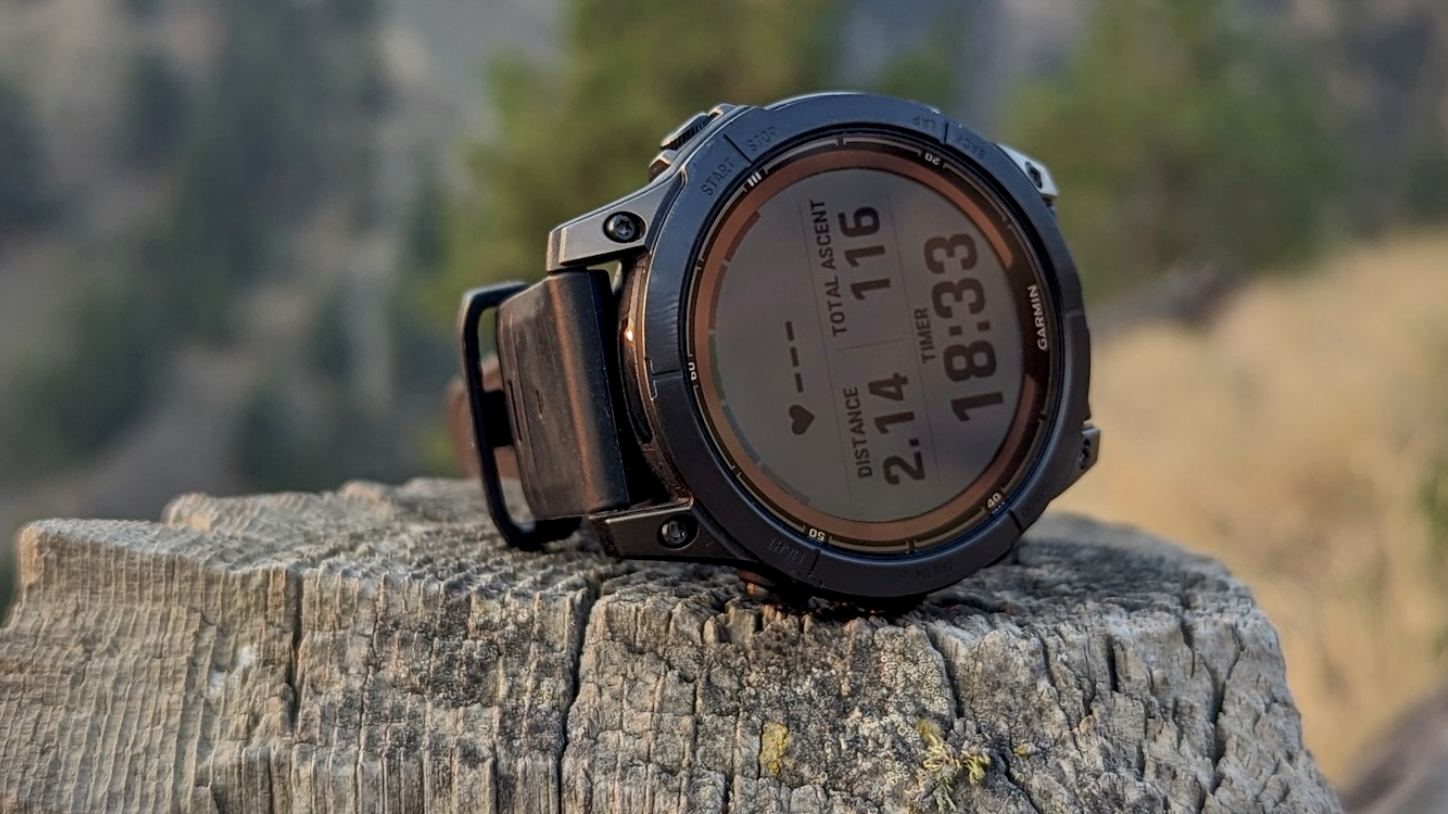
In reality, the data recorded by your device can become an extremely powerful tool for improving future performances. Today, smartwatches and sports devices collect a huge amount of information: distance, elevation gain, pace, heart rate, vertical speed, power, and much more.
Learning how to perform a trail running performance analysis means turning every race into an opportunity for growth. By correctly interpreting your data, you can:
- identify your strengths
- correct strategic mistakes
- build more effective training plans.
In this guide, we’ll explore which metrics to monitor, how to interpret the information collected, and how to use GPS data in trail running to approach future races with greater awareness and confidence.
Enjoy the read,
_ _ _ _ _ _
_ _ _ _ _ _
Why perform GPS data analysis after a trail running race?
Many trail runners spend weeks or even months preparing for a race, but few invest time in performance analysis once the event is over. Yet this is often where some of the most valuable insights can be found.
GPS data analysis helps you understand what worked well and which aspects can be improved. It’s not simply about checking the final result, but about understanding how that result was built kilometer after kilometer.
Among the main benefits of post-race trail running analysis are:
- identifying pacing and effort-management mistakes
- evaluating climbing and descending efficiency
- understanding the impact of nutrition during the race
- improving pacing strategy
- planning more specific training sessions
- comparing performances over time.
Analyzing a trail running race means collecting actionable information that can make a real difference in future competitions. Every data point becomes a useful indicator for making smarter decisions during your training process.

The most important GPS metrics to analyze in trail running
When you download an activity from Garmin, Strava, or other platforms, you are often overwhelmed by dozens of metrics. The risk is focusing on irrelevant data while overlooking the information that can truly impact performance.
To obtain useful insights, it is important to start with the fundamental metrics, which can be evaluated even more accurately through a Performance Test, such as the one offered by TRM.
Actual distance and elevation gain
Distance and elevation gain are the starting point of any trail running performance analysis.
Comparing GPS-recorded data with the official race statistics helps determine how demanding the course really was and how much any recording inaccuracies may have influenced the results.
A significant difference in distance or elevation gain can affect comparisons with other races and make pace analysis less reliable. For this reason, it is always important to place the final result into context.
Once these values have been verified, you can move on to a deeper analysis of your performance.
Total time and moving time
The final race time is important, but it rarely tells the whole story.
In trail running races, aid station stops, technical breaks or unexpected issues can significantly affect the overall result. Analyzing moving time allows you to evaluate your actual efficiency while running.
An athlete who loses several minutes at aid stations could achieve significant improvements simply by optimizing stop management, without necessarily increasing fitness levels.
This type of analysis becomes particularly valuable in long-distance races and ultra trails.
Average pace and pace across different segments
One of the most common mistakes is focusing exclusively on average pace.
In trail running, terrain constantly changes and pace must be interpreted according to gradient, technical difficulty and environmental conditions.
Analyzing GPS data from different sections of the race helps identify performance drops and determine when the greatest difficulties emerged.
Some useful questions include:
- Did you slow down dramatically during the second half of the race?
- Were the early climbs tackled at excessive intensity?
- Did the descents allow you to recover time?
- Were you able to maintain a consistent effort throughout the course?
The answers help identify pacing issues and build more effective strategies that can be integrated into a structured Race Plan, such as the one offered by TRM.

Vertical speed (VAM)
In trail running, climbing often determines the final outcome of a race. For this reason, vertical speed, also known as VAM, is one of the most interesting metrics to monitor.
This value measures how many meters of positive elevation gain are covered in one hour and provides insight into climbing efficiency.
Comparing your VAM across different races or different sections of the same course can reveal valuable information about your physical preparation.
A significant drop in vertical speed during the later stages of a race may indicate issues related to muscular endurance, nutrition, or effort management.
Heart rate
Heart rate is one of the most widely used metrics in trail running GPS data analysis.
Monitoring heart rate trends helps determine how hard the body worked during the competition and whether intensity was distributed appropriately.
During your analysis, it is useful to evaluate:
- average heart rate
- maximum heart rate
- time spent in different heart rate zones
- any abnormal spikes
- the presence of cardiac drift.
These elements help determine whether the chosen pace was truly sustainable.
Running power
In recent years, more and more trail runners have started using power as a key performance metric.
Unlike pace, power measures effort independently of terrain gradient. This makes it particularly useful in races characterized by significant elevation changes.
Power analysis can highlight:
- periods of excessive effort
- drops in efficiency
- significant differences between sections of the course.
For more advanced athletes, it is an extremely effective tool for refining effort management.
How to analyze pacing in trail running
One of the most important aspects of GPS data analysis is pacing, which refers to how effort is distributed throughout the race.
Many trail runners start too fast, driven by excitement and race-day adrenaline. This behavior often leads to excessive energy expenditure, which becomes evident later in the race through fatigue, performance crashes, or major slowdowns.
When analyzing pacing, it is useful to observe:
- pace trends across different segments
- heart rate variations
- climbing speed
- descending efficiency
- any performance drops.
A balanced distribution of effort generally leads to stronger performances and better energy management.
On the other hand, excessive fluctuations between different race phases can reveal tactical mistakes that need to be corrected. These are aspects that can be analyzed and improved with the support of an experienced trail running coach, such as the TRM coaches, who are Level 3 coaches certified by CONI.

Analyzing the course through the GPS track
A GPS track offers much more than a simple record of the route completed.
Thanks to the GPS analysis tools available on modern platforms, it is possible to accurately identify where time was lost or where particularly strong performances occurred.
Examining the course in detail allows you to identify:
- particularly demanding climbs
- technical descents that caused difficulties
- runnable sections that were poorly utilized
- areas where pace dropped significantly
- segments where positions were gained.
The goal is not to judge the performance, but to understand which specific skills require further training.
For example, if consistent difficulties appear on technical descents, it may be beneficial to include downhill running technique drills in your training plan.
Comparing multiple races to identify performance trends
Analyzing a single race is useful, but comparing several races over time is even more effective.
True trail running performance analysis emerges through the observation of trends rather than isolated results.
Building a personal performance history allows you to monitor:
- final race times
- elevation gain
- average heart rate
- vertical speed
- average power
- climbing and descending times.
By comparing these metrics, you can determine whether your training is producing meaningful improvements or whether certain aspects of your preparation require adjustment.
This approach transforms every race into a building block within a long-term development process.
The best tools for trail running performance analysis
To maximize the value of the information collected, it is important to use appropriate software.
Today, several platforms provide in-depth trail running performance analysis.
Among the most widely used are:
Each platform offers different features and varying levels of analytical depth.
The best choice depends on the athlete’s goals, experience level, and the amount of data they wish to monitor.

Turning post-race trail running data into actionable improvements
The true value of post-race trail running analysis does not lie in the numbers themselves, but in the decisions that result from them.
Too often, trail runners collect large amounts of data without translating it into practical changes to their training. When this happens, GPS data analysis loses much of its value.
Possible corrective actions include:
- hill strength training
- muscular endurance workouts
- improving downhill running technique
- race simulations
- nutrition testing
- pacing-specific training sessions.
Every piece of data collected should lead to a concrete decision. Only then can post-race trail running analysis truly contribute to performance improvement.
If you’re looking for guidance on how to use the data collected by your GPS device to improve your training or race performance, consider requesting a Personalized Training Plan. Designed by our TRM Coaches, each plan is tailored to your individual characteristics, goals, and the real data from your activities.
Common mistakes to avoid in trail running GPS data analysis
Trail running performance analysis can be extremely valuable, but only when it is carried out correctly.
Many trail runners make mistakes that can compromise data interpretation and lead to inaccurate conclusions.
Among the most common mistakes are:
- focusing on a single metric
- ignoring weather conditions
- comparing very different races
- blindly trusting GPS recordings
- overlooking personal sensations experienced during the race.
Data should always be interpreted within a broader context that considers course characteristics, fitness level, and environmental conditions.
The goal is not to find perfect numbers, but to gain a deeper understanding of your racing experience.
Conclusion
GPS data analysis is one of the most effective tools for improving trail running performance over the long term.
Distance, elevation gain, pace, heart rate, vertical speed, and power can provide valuable insights into the quality of your race. However, real improvement happens when this information is transformed into actionable steps and integrated into your training program.
Every recorded activity contains lessons that can help you in the future. Learning how to interpret those lessons means developing greater awareness of your abilities and approaching future races with a more effective strategy.
After all, GPS devices are not only useful for recording where we’ve been—they are powerful tools for understanding how to become better trail runners.
_ _ _ _ _ _
Want to learn how to make the most of your GPS data to prepare for your next race?
Discover our Personalized Training Plans
and get ready to turn your activity data into real results on the trails
_ _ _ _ _ _

altitude profile, athletic performance, garmin, gps trail running, heart rate, long distances, pacing, PercorsiTrail, PerformanceTrail, power, running paces, Speed in Trail Running, trail running coach, TRM Coach, TRMTrainingPlan, ultra trail training plans