


Hydration in trail running (Guide 2026)
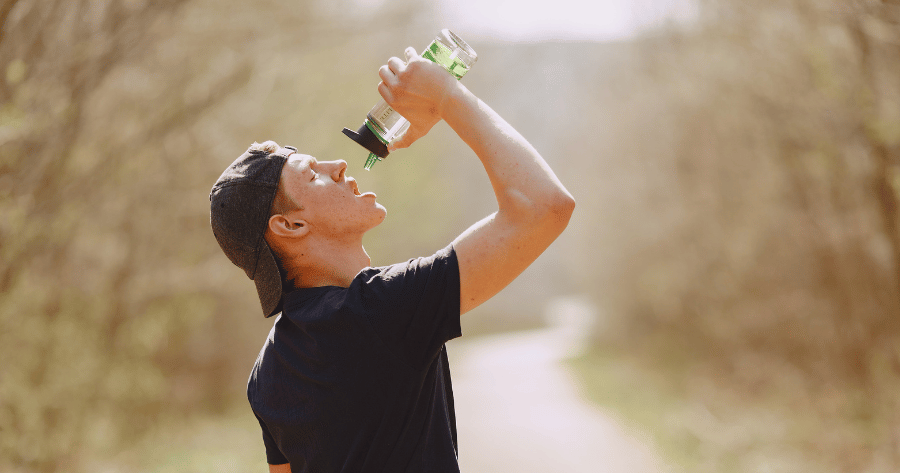
Hydration in trail running is one of the most underestimated aspects, yet also one of the most important for maintaining performance, preventing energy crises and reducing the risk of physical problems during training sessions and races.
Many trail runners focus their attention on shoes, training and technical gear, forgetting that even mild dehydration can significantly compromise:
- endurance
- mental clarity
- muscular efficiency.
In endurance races and ultra trails, fluid management becomes even more delicate. Weather changes, elevation gain, sweating, wind, and the duration of the effort continuously affect the athlete’s hydration needs.
For this reason, every trail runner should learn to understand their own body, recognize the signs of dehydration and build a personalized hydration strategy.
In this guide, we will explore how to properly manage hydration in trail running, which mistakes to avoid, and how to improve both performance and recovery through a more conscious approach to fluid intake.
Enjoy the reading.
_ _ _ _ _ _
_ _ _ _ _ _
Why hydration in trail running is essential
During mountain running, the body constantly loses fluids through sweating and breathing. The longer the effort lasts, the higher the risk of dehydration becomes.
When lost fluids are not properly replaced, the blood becomes thicker and the heart must work harder to transport oxygen and nutrients to the muscles.
In endurance trail running and ultra trails, even moderate fluid loss can cause a significant decline in both physical and mental performance.
Hydration in trail running should therefore never be improvised, but trained and planned like every other aspect of preparation.
An effective hydration strategy not only helps prevent physical problems, but also allows runners to maintain a more stable race pace and improve effort management over long distances.
Symptoms of dehydration in trail running
The body sends very clear signals when it begins entering a state of dehydration. Learning to recognize them is essential in order to react quickly before the situation worsens.
The first symptoms may appear even after a small loss of body fluids and tend to increase progressively during exercise.
Among the most common signs are:
- sudden fatigue
- loss of concentration
- dry mouth
- nausea
- increased heart rate
- slower reflexes
- reduced performance
- muscle tightness
- muscle cramps
- weakness or fainting sensations.
When fluid loss reaches around 5%, the risk of cramps and cognitive decline increases significantly. In more extreme cases, especially in hot temperatures, dangerous conditions such as heat stroke may occur.
For this reason, it is important to stop immediately if severe symptoms appear, seek shade, and replenish fluids and electrolytes as quickly as possible.

How dangerous can dehydration become?
Dehydration in trail running progressively worsens as fluid loss increases.
As a general guideline:
- 2–5% fluid loss → thirst, fatigue, and performance decline begin
- around 5% → cramps and mental confusion increase
- over 20% → risk of fainting and severe weakness
- around 30% → real risk of heat stroke.
During long or particularly hot races, preventing dehydration before symptoms become evident is absolutely essential.
A proper hydration strategy in trail running helps preserve cardiovascular efficiency, maintain thermoregulation, and reduce the risk of physical collapse during prolonged effort.
If you often feel extremely fatigued or tend to suffer from cramps after training, hydration could be part of the problem. To learn how to manage hydration more effectively and receive personalized advice from certified coaches with over 20 years of experience, you can request one of our Nutrition Plans.
How much water should you drink in trail running?
There is no single amount that works for every athlete, because hydration needs vary according to many personal and environmental factors.
In general, during trail running, the average reference can be considered:
- 400–800 ml of fluids per hour
- higher amounts in hot and humid conditions
- lower amounts in winter or during lower-intensity efforts.
However, the best way to understand how much to drink is to test your response during long training sessions.
Weighing yourself before and after a session can help estimate fluid loss and improve your hydration strategy.
The goal is not to drink as much as possible, but to maintain an effective balance without overloading the stomach and intestines.
Daily hydration for trail runners
Good hydration in trail running does not begin during training, but should be distributed correctly throughout the entire day.
Many trail runners actually start workouts already partially dehydrated without realizing it.
To maintain proper fluid balance, it is useful to drink regularly throughout the day:
- breakfast → hot beverage + one glass of fluids
- mid-morning → water and green tea
- lunch → at least 2 glasses of water
- mid-afternoon → water and a light drink
- dinner → at least 2 glasses of water
- before bed → small amounts of water.
The objective is to keep the body constantly hydrated rather than concentrating fluid intake into only a few moments of the day.
Monitoring urine color can also help assess hydration status.
How to hydrate before training
A proper trail running hydration strategy should begin in the hours before running.
Starting a workout in a dehydrated state quickly increases the risk of cardiovascular fatigue and energy decline.
The American College of Sports Medicine recommends:
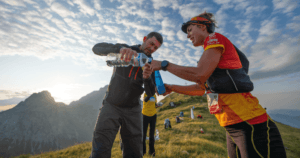
- drinking approximately 500 ml of water in the 2 hours before exercise
- drinking another 200–250 ml about 15 minutes before starting.
This strategy helps begin training in proper fluid balance without overloading the stomach.
On very hot days or during long sessions, it may also be useful to introduce small amounts of electrolytes.

_ _ _ _ _ _
Would you like to understand whether your nutrition is truly supporting your training and racing goals?
With TRM Nutrition Plans, you can improve energy, recovery, hydration, and effort management through strategies specifically designed for trail running and ultra trail racing.
Every plan is fully personalized according to:
- your level
- training load
- seasonal goals
- endurance race requirements.
Discover the TRM Nutrition Plans that best suits your needs and start building a stronger, more efficient, and more sustainable performance over time.
_ _ _ _ _ _
Frequently Asked Questions (FAQ)
1. How much water should you drink during trail running?
It depends on temperature, intensity, and duration of the effort. On average, runners consume between 400 and 800 ml of fluids per hour, but hydration strategies should always be personalized.
2. Is it better to drink water or electrolyte supplements?
For short sessions, water may be enough. During long races or in very hot conditions, electrolyte supplementation is often useful to compensate for sodium and mineral losses.
3. How can you tell if you are dehydrated during a race?
The most common signs include:
- dry mouth
- increased fatigue
- headache
- dark urine
- mental confusion
- higher-than-normal heart rate.
4. Can drinking too much be a problem?
Yes. Excessive water intake can also create electrolyte imbalances and gastrointestinal issues. This is why finding the right balance is essential.
5. When should you start hydrating before a race?
Hydration should already be managed carefully during the 24 hours before the competition by drinking consistently throughout the day without overdoing it.
6. Is it useful to train hydration strategies?
Absolutely. The stomach and intestines also need to adapt to fluid intake management during prolonged exercise.
_ _ _ _ _ _
Risorse scientifiche:
Fluid replacement during prolonged exercise: effects of water, saline, or no fluid
Diet, Hydration, Lifestyle and Training Practices of Elite Kenyan Endurance Runners


allenatori trail running, athletes hydration, energy drink, hydration, hydration in trail running, nutrition in trail running races, sports recovery drink, Trail Running Dring, Trail Running Programs, Trail Running Programs, Training with heat