


Sports massage in trail running: benefits and techniques
Trail running is a discipline that challenges both body and mind and, for this reason, requires excellent physical conditioning and particular attention to recovery.
In this context, sports massage is a valuable and often underestimated tool for maintaining muscle efficiency, preventing injuries, and improving performance.
In this article, we will explore the role of sports massage in trail running: from its historical origins to recommended techniques and massage frequency for different runner levels, as well as DIY alternatives and important precautions.
Enjoy the read!
_ _ _ _ _ _
_ _ _ _ _ _
Origins and curiosities of sports massage in trail running
The word massage has an uncertain origin and cannot be traced back to a single language or country.
According to extensive literature, it may derive from:
-
the Arabic mass (“to touch”) or masah/masch (“to rub, press”)
-
the Greek massio (“to stimulate with the hands, squeeze”)
-
the Latin massa (“attached to the fingers”)
Since ancient times, massage has been used by humans (and even animals) as an instinctive gesture of protection and relief on painful areas.
Over the centuries, massage has remained closely linked to physical exercise and was often combined with hydrotherapy techniques.
In 1906, the french researcher R. Costa established the physiological and methodological foundations of sports massage, marking its official entry into Olympic Games delegations.
Since then, massage therapy techniques have spread across hygienic, rehabilitative, aesthetic, and sports fields, becoming an important complement to modern medicine and natural treatments.
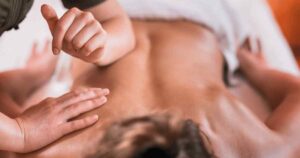
What is sports massage and why it is essential for trail runners
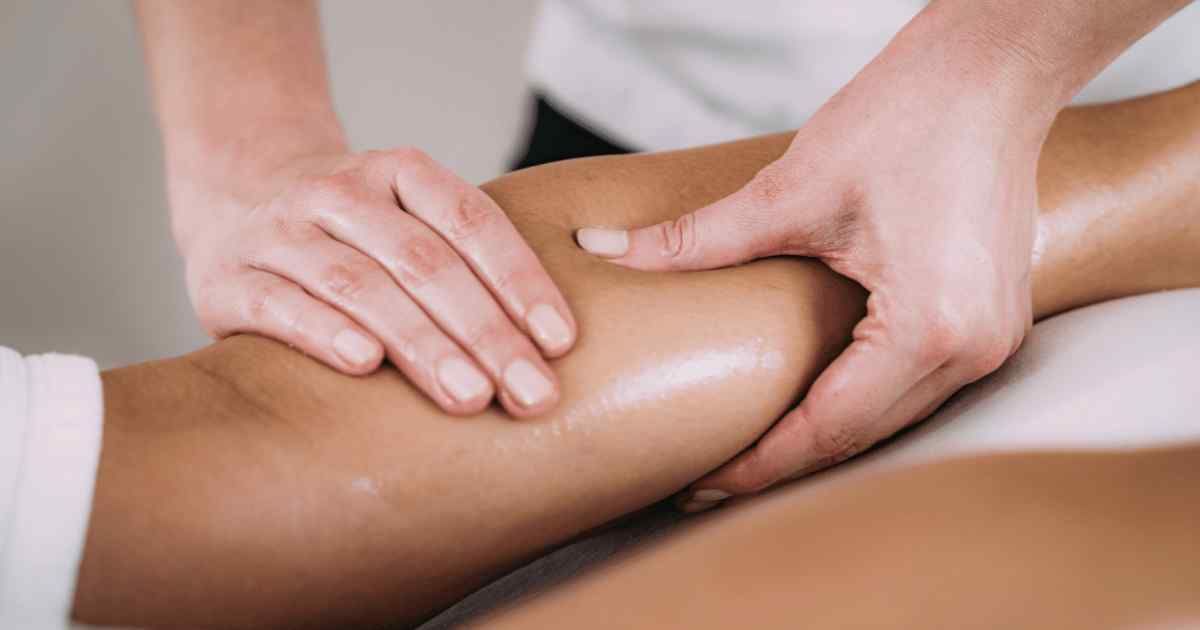
Sports massage is a set of manual techniques applied to the body for preventive, therapeutic, or recovery purposes.
Its main benefits include:
-
general well-being: helps relax both mind and body, promoting psycho-physical recovery
-
support in trauma recovery: accelerates healing from sprains, bruises, and muscle micro-injuries
-
performance enhancement: makes muscles more elastic and ready for exertion
-
anti-inflammatory and analgesic action: useful against connective tissue microtrauma caused by overtraining
For trail runners, these effects are particularly relevant.
Long descents and uneven terrain place significant stress on muscles and joints, and microtrauma can reduce muscle elasticity or increase the risk of injuries such as runner’s knee.
Integrating massage into a training program can therefore improve athletic longevity and reduce downtime.
When to perform sports massage in trail running
Sports massage can be divided into two main categories:
-
pre-race massage
-
post-race massage
Each serves different purposes and should be adapted to the athlete’s training type, needs, and physical condition.
Let’s take a closer look at their characteristics, execution techniques, and benefits for trail runners.
Pre-race massage
Massage performed before competition should never replace a traditional warm-up (easy running, dynamic stretching, joint mobility, strides).
It must be carried out only by qualified professionals who know the athlete well and understand their habits.
The main goal is to reduce anxiety and muscle tension without causing fatigue.
For this reason:
-
techniques should be light and stimulating, not deep
-
duration should not exceed 15–20 minutes
-
it is particularly useful for anxious athletes who benefit from physical contact and dialogue with the therapist
In adverse weather conditions (rain, cold, wind), warming oils can be applied to protect muscles from the elements.
However, these should not be used in the presence of inflammatory conditions.

Post-race or post-training massage
After intense exertion, massage helps eliminate metabolic waste accumulated in the muscles.
However, it should not be performed immediately after the race, as intervening too early can increase inflammation.
For optimal results:
-
wait at least 4–5 hours after light exertion, or preferably 1–2 days after a race or intense training
-
favor recovery techniques that deeply relax muscles and prevent spasms
-
use light stroking techniques to stimulate venous drainage and relieve pain
-
for particularly sore muscles, insertional pressure techniques can be used to reduce tension via the Golgi tendon reflex.
Frequency and volume of sports massage for trail runners
The number and type of massages depend on the athlete’s experience and training workload.
Before providing recommendations by athlete level, let’s define training load:
-
Light: 0–6 hours
-
Moderate: 7–12 hours
-
Demanding: 13–24 hours
-
Very demanding: 25–48 hours
-
Extreme: over 48 hours
This naturally varies based on discipline and the athlete’s preparation level.
Massage frequency can be adjusted as follows:
-
Beginners: runners new to the sport who experience leg soreness should receive a massage as needed or at least every 14 days to improve muscle elasticity, release tension, and recover more easily
-
Recreational runners: those training 4–5 times per week can benefit from a recovery massage every 10–12 days, or immediately after particularly intense sessions or races
-
Advanced recreational runners: athletes who run almost daily may benefit from one full massage per week, possibly combined with passive joint mobility techniques– During high-load periods, this can increase to two sessions per week
-
Elite athletes: those training twice daily may receive 1–2 full massages per week plus one passive mobility session; in exceptional cases, up to three sessions may be performed, but no more—these athletes already possess a high capacity for autonomous recovery. Frequency in such cases must be truly personalized.
It’s no secret: we TRM Coaches have been getting one massage per week for years.
While it represents a significant investment in time and money, the benefits are clearly evident in the medium and long term.
In some cases, recovery can also be supported by the use of electrostimulators (EMS) with dedicated programs.
When a massage therapist is not available: practical alternatives
It’s not always possible to rely on a professional sports massage, but there are effective alternative strategies to relieve muscle fatigue:
-
stretching and joint mobility: targeted exercises help maintain muscle elasticity and prevent stiffness
-
hydromassage: effective for relaxing muscles after intense efforts
-
hot bath with baking soda or herbs: fill a tub with warm (not hot) water, add one or two handfuls of baking soda or a sachet with herbs such as rosemary, mint, and sage, or half a kilo of clay; soak for no more than 20 minutes, dry thoroughly, and perform stretching
-
legs elevated: lie down with legs raised to facilitate venous return; you can also elevate the foot of the bed by 10–15 cm
-
inversion boots or anti-gravity traction: particularly useful after sessions with heavy impact or spinal arching, common in trail running
Of course, none of these methods can truly match the skill and sensitivity of a professional massage therapist.

Indications and contraindications of sports massage in trail running
Massage is generally indicated for healthy individuals or as support in the treatment of injuries or after-effects of:
-
sprains
-
fractures
-
dislocations
-
muscle tears or bruises
The choice of massage techniques should be agreed upon by the general practitioner, orthopedic specialist, and physiotherapist, depending on the case.
However, massage should be avoided in the presence of:
-
acute inflammatory conditions
-
skin lesions or infections in the affected area
-
lack of qualified personnel for pre-race massage, as incorrect techniques may compromise performance
Conclusion
In trail running—where training is often intense and terrain demands continuous muscular adaptation—sports massage is not a luxury but an integral part of trail-specific athletic preparation.
Regularly integrating massage into your routine, adjusting frequency and type according to your level and training load, can make a real difference throughout your trail running season.
_ _ _ _ _
Want to receive free trail and ultra running tips used by elite athletes?
Subscribe to our
TRM News Newsletter: HERE
_ _ _ _ _
Stay updated on all aspects of 360° athletic preparation for trail and ultra trail:
-
Training techniques for trail, ultra trail, and endurance trail
-
Nutrition and supplementation for trail running
-
Race planning and fueling strategies
-
Products and technology
-
Injury prevention and management
Not enough?
Purchase a high-quality training plan or join Italy’s largest trail running team: the TRM Team.
_ _ _ _ _ _
#TrailRunningMassage #UltraTrailMassage #SportsMassage #TrailRunningSportsMassage #TrailRunnerMassage #TrailRunning #MuscleRecovery #AthleticPreparation #InjuryPrevention #AthleticWellbeing #RunnerLife #SportsPerformance
_ _ _ _ _ _
FAQ (Frequently Asked Questions)
What is sports massage in trail running?
Sports massage in trail running is a therapeutic technique aimed at preventing injuries, reducing muscle tension, and improving recovery for athletes practicing this discipline.
What are the benefits of sports massage for trail runners?
Benefits include improved blood circulation, reduced post-training muscle soreness, increased flexibility, and greater body awareness.
When is it recommended to receive sports massage while preparing for a trail running race?
It is recommended at least 1–2 days before a race to support recovery, and again after the event to relieve fatigue and promote effective recovery.
Who should perform sports massage for trail runners?
Sports massage should be performed by qualified professionals such as physiotherapists or sports massage therapists with specific experience working with athletes.
Are there contraindications to sports massage for trail runners?
Yes, contraindications include fractures, skin infections, acute inflammation, or specific medical conditions. Consulting a professional before treatment is essential.
endurance trail massage, injury prevention, injury prevention, massage sport, mountain running massage, Post-Workout Recovery, sport massagge, trail runner, trail running advice, Trail Running massage, TrailRunningLife, ultra trail massage