



Trail running motivation in winter: how not to lose it
The cold season represents one of the most demanding challenges for trail runners—not only from a physical standpoint, but above all from a mental one.
Days grow shorter, temperatures drop, terrain conditions change and require greater attention, while the desire to go out and run often decreases.
Yet it is precisely during this period that the foundations of physical and mental fitness are built—foundations that will carry every athlete into spring and summer, the seasons when most races take place.
Learning how to manage trail running motivation in winter therefore means turning a potential weakness into a strategic resource for your athletic journey.
_ _ _ _ _ _
_ _ _ _ _ _
Trail Running Motivation in Winter: Understanding What Drives Us
To face the colder months effectively, it is helpful to distinguish between two main types of motivation in trail running:
-
intrinsic motivation
-
extrinsic motivation
Intrinsic motivation comes from what we love about the running experience itself, such as the sense of freedom, connection with nature, and enjoyment of personal challenge.
Extrinsic motivation, on the other hand, is linked to external elements such as:
-
rewards
-
social approval
-
measurable performance outcomes
In winter, these two forces can become unbalanced. Intrinsic motivation may decrease because weather conditions make the experience less enjoyable, while at the same time races are still far away and external stimuli fade.
Understanding which type of motivation fuels you the most allows you to better calibrate your approach.
Those who run for passion can seek new positive sensations, such as discovering unexplored trails or training at unconventional times.
Those driven by specific goals should instead learn to visualize future results and connect every workout to their personal growth path.

Creating Realistic and Seasonal Goals
Winter is the ideal time to define clear and structured goals.
They do not need to be ambitious or complex—the key is that they are realistic and suited to the season.
SMART goals—specific, measurable, achievable, relevant, and time-bound—work extremely well to keep focus and trail running motivation in winter alive, even when commitment feels difficult.
For trail runners, winter goals may include technical improvements such as:
-
refining uphill running technique
-
training proprioception on slippery terrain
-
gradually increasing weekly volume
-
building strength through indoor sessions
Setting micro-goals (such as completing three workouts per week regardless of weather, or dedicating ten minutes a day to mobility exercises) helps the brain perceive continuous progress.
The sense of progress is one of the most powerful drivers of motivation.
Refreshing Your Routine to Boost Winter Motivation
Monotony is the number one enemy of consistency.
During the cold season, it is easy to fall into the trap of repeating the same workouts—or skipping them altogether when the routine becomes too predictable.
To maintain high motivation, it is essential to introduce variety into your training plan.
A weekly trail running training schedule might include:
-
a combination of outdoor running
-
indoor strength training
-
quality workouts on the track or treadmill
-
core-specific exercises
-
technical sessions focused on uphill and downhill running
Alternating terrain and intensity keeps the mind engaged as well as the body, increasing trail running motivation in winter.
For optimal results, you can request a personalized training program such as those developed by TRM Coaches, a team of certified trail running professionals.
When weather conditions are particularly challenging, training can also become an opportunity for growth—for example, by adding a controlled “cold challenge.” Ten minutes of running in rain or uncomfortable conditions can strengthen resilience without exposing the athlete to unnecessary risks.
Technology—from tracking apps to digital training plans—helps monitor progress and maintain discipline, acting as a sort of “virtual coach” that reminds athletes of their weekly goals.

Training the Mind: Psychological Strategies for Winter Training
Mental work is often overlooked, yet during winter it becomes a valuable ally.
Developing mental skills—either independently or through programs such as TRM Mental Strength—allows athletes to fully express their potential and achieve better performance.
One of the most effective techniques for improving trail running motivation in winter is visualization: imagining yourself running toward the finish line of a summer race, or confidently tackling a technical section, can ignite motivation even on low-energy days.
Another powerful strategy is positive self-talk: transforming thoughts like “It’s too cold to train today” into “Today I can prove to myself that I can train even in difficult conditions” creates an immediate shift in perspective.
Some athletes also benefit from establishing a pre-training ritual, such as a short stretching routine, a motivating playlist, or a hot tea before heading out.
These rituals symbolically mark the transition from indecision to action.
Winter Trail Running Training: Run Together to Stay Motivated
Motivation grows when goals are shared. Finding a training partner or joining a trail running group can make a huge difference on the coldest days.
Training with others turns each run into an appointment and reduces the likelihood of last-minute cancellations. The community acts as a motivational amplifier: seeing others commit, improve, or simply stay consistent fuels the desire to do the same.
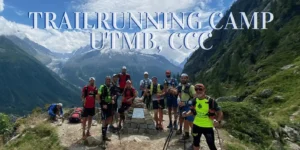
Online challenges or group programs—such as TRM Trail Running Camps organized by certified TRM Trail Running Coaches—can also be a strong source of motivation.
Shared calendars, common goals, and regular interaction help maintain high engagement.

Equipment and Comfort: Removing Excuses
A significant drop in trail running motivation in winter often stems from physical discomfort caused by cold, rain, or wind. Investing in proper equipment can completely change the experience.
The layering principle—wearing multiple technical layers that keep you warm and dry without adding bulk—is essential for tackling winter conditions without stress.
Gloves, breathable hats, windproof jackets, and shoes designed for wet or muddy terrain make the difference between merely enduring a workout and truly enjoying it.
When the body feels protected and safe, the mind stops creating excuses and training becomes more accessible.
Turning Winter into a Competitive Advantage
Many athletes underestimate the strategic value of winter.
It is during the toughest months that aerobic and mental foundations are built—foundations that allow athletes to face the racing season with confidence.
Those who manage to stay consistent and disciplined when motivation falters will arrive in spring with a clear competitive edge:
-
greater endurance
-
improved technique on challenging terrain
-
a more resilient mindset.
Winter can therefore become a kind of “athletic laboratory”—a period for experimenting with new methods, refining technique, building strength, and strengthening resilience.
Every run completed despite the cold becomes a building block for future performance.
Conclusion
Managing trail running motivation in winter requires awareness, organization, and a positive mental approach.
Understanding your sources of motivation, setting clear goals, varying training, working on mental skills, leveraging community support, and investing in the right equipment can transform winter from a critical period into a strategic phase of preparation.
For trail runners, winter is not an obstacle—it is an opportunity. Those who face it with discipline and passion build the foundations for a highly rewarding season.
If you want to make your journey even more effective, consider following a structured training program or working with an experienced coach: having guidance during the toughest months can make the difference between a wasted winter and a major performance breakthrough.
_ _ _ _ _ _
Would you like to receive tips on how to manage trail running motivation in winter?
Subscribe to our TRM News Newsletter: HERE
or stay up to date by reading the Trail Running Movement Blog
_ _ _ _ _ _
#SportMotivation #WinterTraining #WinterTrailRunningTraining #TrailRunningMotivation #OutdoorRunning #AthleticPreparation #TrailRunning #UltraTrail #RunningLife #TrailRunner #RunnerTips #MentalStrength #EnduranceTrail #TrailRunningCoach #TRMCamps #TRM #TrailRunningMovement

athletic training, EnduranceTrail, mental strenght, outdoor running, RunningLife, sports motivation, TipsForRunners, trail running motivation, Trail Running Movements, trail running winter training, TrailRunner, trailrunning, TRM, TRMCamps, ultratrail, winter training