


Runner’s knee: symptoms and treatment
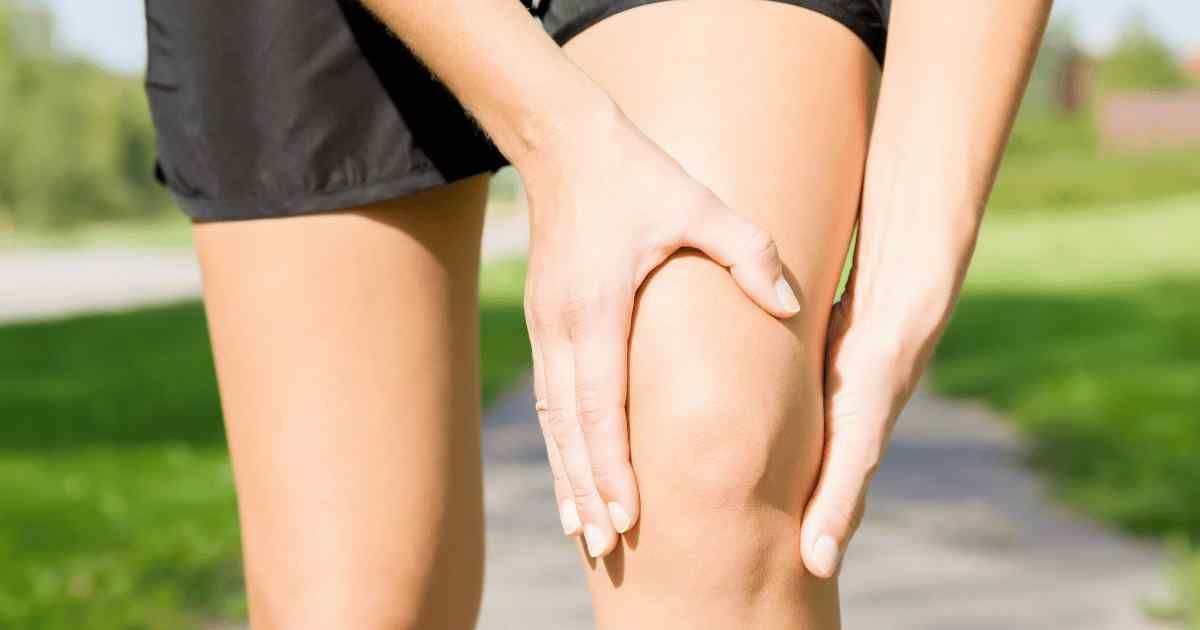
Whether you are a recreational or professional trail runner, you have probably experienced at least once during training that annoying pain at the front of the knee, which becomes more intense during downhill running or after long hours on technical trails.
This pain is often the first warning sign of patellofemoral pain syndrome (PFPS), also known as “runner’s knee”, one of the most common musculoskeletal disorders among runners.
If not properly addressed, this discomfort can seriously hinder training and negatively affect race performance, significantly increasing the risk of injury.
In this article, we will explore what runner’s knee is, its most common symptoms, why it affects trail runners in particular, and—most importantly—how to prevent and manage it.
_ _ _ _ _ _
Che cos’è il ginocchio del corridore?
What Is Runner’s Knee?
Patellofemoral pain syndrome (PFPS) affects the joint between the kneecap (patella) and the femur and typically presents as pain behind or around the kneecap.
It is caused by abnormal tracking of the patella over the femur.
The condition is often aggravated by activities such as running (especially downhill), jumping, squatting, descending stairs, or prolonged sitting. (2)
It is not a true “structural” injury, but rather an overuse condition, meaning a functional overload that, if underestimated and left untreated, may worsen over time. (2)
 Why Does It Affect Trail Runners?
From a biomechanical perspective, trail running is a very demanding discipline: continuous elevation changes, uneven terrain, and long distances place significant stress on the joints.
Downhill running is particularly critical: patellar load can reach 7–8 times body weight.
If muscles are not strong enough and movement control is poor, the risk of injury increases dramatically. (4)
Risk Factors for Runner’s Knee in Trail Running
Several factors can increase the likelihood of developing patellofemoral pain syndrome:
-
Muscle weakness, especially in the quadriceps and hip muscles
-
Overuse / excessive load, often due to a rapid increase in training intensity, mileage, or elevation gain
-
Excessive knee valgus during dynamic tasks such as downhill running
-
Inappropriate or worn footwear, which alters foot strike and increases joint stress
-
Inefficient running technique, with overly long strides and poor downhill control
What Are the Most Common Symptoms?
The most common sign of runner’s knee in trail running is anterior knee pain, often localized around the kneecap.
Initially, pain may appear only after long runs or during steep descents, but over time it may also occur during daily activities such as walking downhill or climbing stairs.
Some trail runners also report sensations of crackling or internal friction.
In most cases, the pain is not sharp but rather a dull, persistent discomfort that becomes limiting due to its frequent recurrence. (5)
Preventing Runner’s Knee: What Can Trail Runners Do?
The good news is that patellofemoral pain syndrome can be prevented with an appropriate muscle-strengthening program and a few simple strategies.
Scientific literature suggests that combined strengthening of the hip and quadriceps muscles improves long-term strength and reduces the risk of patellofemoral pain more effectively than quadriceps strengthening alone. (6)
In addition to strength training, useful strategies include:
-
Training load management: gradually increase mileage and elevation gain
-
Training variation: alternate routes and intensities, including flat terrain sessions
-
Footwear selection: use appropriate trail running shoes and replace them when worn
Treatment and Management of Runner’s Knee
If knee pain still occurs despite preventive measures, scientific literature identifies conservative treatment—namely physiotherapy—as the first-line intervention.
The good news is that the solution is not to stop training altogether, but to manage symptoms in order to return to full fitness as soon as possible.
In the acute pain phase (the first days after onset), pain relief may be supported by the RICE protocol (Rest, Ice, Compression, Elevation).
This approach aims to limit inflammation through rest and ice application, combined with compression and leg elevation.
For long-term results, an effective physiotherapy program for runner’s knee should include:
-
Temporary load reduction: decrease distance and elevation, especially downhill
-
Targeted muscle-strengthening programs, with some exercises performed daily
-
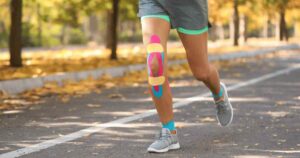
Temporary supports, such as taping and orthotics
-
Patellar taping appears effective for short-term pain reduction (first 4 weeks)
-
Orthotics are recommended short term for individuals with excessive pronation
-
-
Improvement of running technique, particularly downhill running.
Overall, the biggest mistake an athlete can make is ignoring the pain and continuing to run as if nothing were wrong.
Doing so increases the risk of chronic symptoms and significantly prolongs recovery time.
Conclusion
Runner’s knee in trail running is a very common injury—but it is not a life sentence.
Understanding its causes and symptoms, following an appropriate prevention program, and adapting training loads are key to continuing to run consistently and safely.
Listen to your knee’s signals—and don’t ignore them.
AUTHOR

Elisa Crosina (@elisacrosina_fisioterapista)
Sports physiotherapist and physio-pilates instructor, specialized in the assessment, prevention, and rehabilitation of sports-related injuries.
Her expertise focuses particularly on trail runners, mountain sports, and winter sports.
Thanks to her academic background, professional experience, and first-hand experience as a recreational athlete, she offers a pragmatic recovery approach aimed at restoring balance, strength, and body awareness for both beginner and elite athletes.
_ _ _ _ _ _ _
#RunnersKnee #PatellofemoralPainSyndrome #TrailRunningKnee #KneePain #SportsInjuries #InjuryPrevention #SportsPhysiotherapy #JointHealth #TrailRunning #RunningLife #MountainRunning #TrailRunner #MuscleStrengthening #FunctionalTraining #RunningInjuryPrevention #SportsRehabilitation #RunnerTips
_ _ _ _ _ _ _ _
Frequently Asked Questions (FAQ)
What are the symptoms of runner’s knee?
Symptoms include pain at the front of the knee, swelling, stiffness, and difficulty fully bending or straightening the leg.
What causes runner’s knee?
The main causes include overuse, poor running technique, training on hard surfaces, and inadequate warm-up.
What treatments are recommended for runner’s knee?
Treatments include rest, ice, compression, elevation, stretching and strengthening exercises, and anti-inflammatory medication if necessary.
Should I see a doctor for runner’s knee?
Yes, it is advisable to consult a healthcare professional if symptoms persist or worsen, to rule out other conditions and receive appropriate treatment.
How can runner’s knee be prevented?
Prevention includes adopting proper running technique, wearing appropriate footwear, scheduling rest days, and performing leg-strengthening exercises.
BIBLIOGRAFIA
-
Mølgaard C et al., Patellofemoral pain syndrome and its association with hip, ankle, and foot function in 16- to 18-year-old high school students: a single-blind case-control study. J Am Podiatr Med Assoc. 2011
-
Definition of patellofemoral pain syndrome. MedicineNet.com (http://www.medterms.com/script/main/art.asp?articlekey=7887)
-
Rodriguez-Merchan EC, Evidence Based Conservative Management of Patello-femoral Syndrome. Arch Bone Jt Surg. 2014
-
Powers CM, The influence of altered lower-extremity kinematics on patellofemoral joint dysfunction: a theoretical perspective. J Orthop Sports Phys Ther. 2003
-
Dixit S et al., Management of patellofemoral pain syndrome. Am Fam Physician. 2007
-
Nascimento LR et al., Hip and Knee Strengthening Is More Effective Than Knee Strengthening Alone for Reducing Pain and Improving Activity in Individuals With Patellofemoral Pain: A Systematic Review With Meta-analysis. J Orthop Sports Phys Ther. 2018
injury prevention, Joint Health, knee pain, Patellofemoral Syndrome, Rehabilitation Trail Running, runner's knee, trail runner, trail running injuries, trail running knee, trail running physiotherapy