


Summer trail running gear: how to choose materials and equipment (Guide 2026)
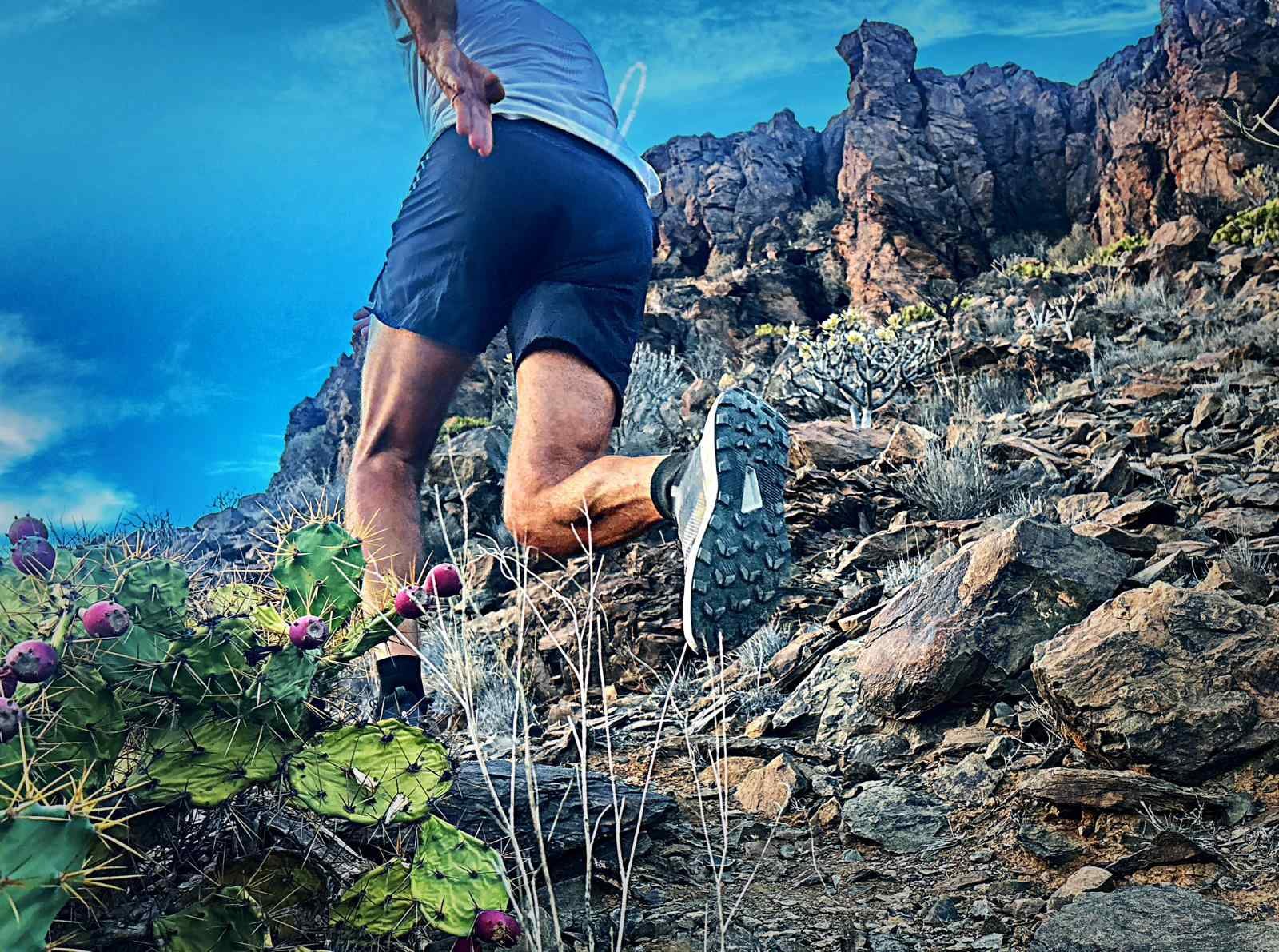
Summer trail running has a unique appeal, made of sunlit trails, wide open landscapes, and long days spent outdoors. At the same time, however, running in the mountains during the hottest months requires a different level of attention compared to other seasons.
High temperatures, direct sun exposure, and hydration management can significantly affect both performance and overall well-being during a race.
For this reason, choosing the right trail running clothing and gear becomes a fundamental part of preparation. It is not only about comfort, but about finding solutions that help the body to:
- regulate body temperature
- manage sweat effectively
- handle physical effort more efficiently.
In this guide, we will explore in detail how to choose the best summer trail running clothing, which materials to prioritize, and which mistakes to avoid, with the goal of approaching every race with greater awareness and preparation.
Enjoy the reading.
_ _ _ _ _ _
_ _ _ _ _ _
The challenges of summer trail running races
Before diving into equipment, it is important to understand the main challenges that characterize trail running during the summer months. These conditions directly influence clothing and gear choices.
Summer trail running races do not only test athletic preparation, but also the ability to manage often extreme environmental factors, such as:
- high temperatures and humidity
- temperature changes at higher altitudes
- strong UV exposure
- increased risk of dehydration
- the need for hydration and nutritional self-sufficiency.
Understanding these factors helps runners make better decisions when choosing summer trail running clothing, avoiding common mistakes and improving the overall race experience.

Summer trail running clothing: what to choose
Choosing the right summer trail running clothing means finding the perfect balance between lightness, breathability and protection.
Every piece of clothing should contribute to regulating body temperature and managing sweat efficiently.
Carefully selected materials help reduce the risk of irritation, overheating, and performance decline, especially during longer competitions.
Technical shirts
Technical shirts are the first layer in direct contact with the skin and therefore play a crucial role in managing heat and sweat during a race.
In summer trail running, where temperatures can quickly become challenging, choosing the right shirt can make a real difference in comfort and performance.
This is not just about aesthetics. Materials, construction, and technical details should all be carefully evaluated, especially for races lasting several hours.
The ideal technical shirt should feature:
- breathable and quick-dry fabrics
- mesh panels to improve ventilation
- anti-odor treatments
- flat seams to reduce chafing.
A well-designed technical shirt helps keep the skin dry for longer, reducing the sensation of heat and improving effort management during summer trail running.
Shorts or tights
When it comes to shorts or tights, the choice is often personal, but it should always take race conditions into account. Distance, elevation gain and weather conditions significantly influence the most suitable option.
During summer races, the priority should always be lightness and functionality without compromising freedom of movement. The best products should include:
- ultralight and breathable fabrics
- ergonomic design for natural movement
- integrated pockets for small items or energy gels
- excellent stability while running.
Well-designed technical shorts not only improve comfort but also allow for smoother and more efficient running, minimizing distractions during the race.
Technical underwear
Technical underwear is often overlooked, but it can have a major impact on race experience. In summer trail running, where sweat and friction increase significantly, material choice becomes essential.
Inadequate underwear can cause severe irritation, while quality technical underwear helps maintain comfort and concentration throughout the run.
Good technical underwear should provide:
- anti-chafing fabrics
- excellent sweat management
- seamless or minimal-seam construction
- a snug but comfortable fit.
Investing in quality technical underwear helps prevent avoidable problems and allows runners to approach races with greater confidence.
Hats and accessories
In summer trail running, accessories are not simple details, but essential tools for managing environmental conditions. Sun, heat, and sweat can significantly affect performance, making proper protection indispensable.
Protecting the head and eyes not only improves comfort but also helps preserve energy and mental focus during effort.
During a summer trail running race, it is important to always carry:
- lightweight and breathable caps
- multifunctional bandanas
- technical sunglasses with UV protection
- sweat-absorbing wristbands.
Integrating these accessories into your summer trail running gear helps manage demanding conditions more effectively and maintain more consistent performance.

Summer trail running shoes
Trail running shoes are one of the most important elements of summer trail running equipment. During a race, feet tend to overheat and swell, increasing the risk of discomfort and injuries.
For this reason, it is important to choose a model that balances protection, breathability, and lightness, focusing on features such as:
- breathable upper for better ventilation
- reliable grip on dry and dusty terrain
- cushioning adapted to race distance
- lightweight construction to reduce fatigue.
Choosing the right summer trail running shoes improves stability and comfort, reduces the risk of blisters and supports more consistent performance.
Trail running poles
Trail running poles are often associated with long-distance races or highly technical terrain, but in summer trail running they can also be extremely useful in many other situations.
Steep climbs, technical descents and unstable terrain are all conditions where poles can make a significant difference in terms of efficiency and energy saving.
They are not always necessary, but when properly selected and used correctly, poles help distribute effort more evenly between the upper and lower body, improving fatigue management, especially during longer races.
The ideal trail running poles should feature:
- lightweight and foldable construction for easy transport
- durable materials such as carbon fiber or aluminum
- ergonomic and breathable grips
- quick and reliable locking systems
- compatibility with hydration packs or running vests.
It is also important to consider the characteristics of the course and race regulations, since not all trail races allow the use of poles. As with every other piece of equipment, poles should always be tested during training before race day.
When properly integrated into race strategy, trail running poles can improve posture, reduce muscular fatigue, and make movement more efficient on the most demanding sections of the course.
Materials for summer trail running clothing
In addition to clothing, gear also plays a fundamental role in the success of a summer trail race. It is not only about carrying everything you need, but about choosing equipment that matches the conditions and the duration of the effort.
Well-designed gear allows you to run with greater autonomy, safety, and awareness.
Backpack
The carrying system is a key element, especially in longer races where you need to bring water, nutrition and mandatory equipment with you.
Your choice should focus on a model that guarantees:
- adequate capacity for the race distance
- a snug “second-skin” fit
- quick access to pockets
- balanced weight distribution.
A well-designed backpack minimizes unnecessary movement and allows for a more efficient running stride.
Hydration
Hydration is probably the most delicate aspect to manage during summer trail running. High temperatures increase fluid loss and require careful planning.
It is not enough to simply carry water — hydration must be managed strategically, considering:
- lightweight and compressible soft flasks
- hydration bladders for long distances
- planning aid stations and refill points
- electrolyte and mineral supplementation.
Understanding how much water to carry during a summer trail race is essential to avoid dehydration and maintain stable energy levels.
Safety
Even during summer races, safety should never be underestimated. Conditions can change rapidly, especially in the mountains, and carrying the right equipment can make a huge difference.
Many competitions require mandatory gear specifically to help athletes handle emergencies, including:
- emergency blanket
- safety whistle
- lightweight windproof jacket
- phone or GPS device.
These items, often considered secondary, can become essential in unexpected situations.

How to choose summer trail running clothing based on the race
Finally, it is important to remember that there is no universal gear setup suitable for every race. Each competition has specific characteristics that require a targeted approach.
Adapting your choices to the race environment helps optimize both comfort and performance and should take into account:
- race distance (short trail vs ultra trail)
- elevation gain and technical terrain
- altitude and weather conditions
- race regulations and mandatory gear.
Analyzing these factors before the race helps build a summer trail running kit that is truly effective and suited to the demands of the course.
Mistakes to avoid
Even experienced trail runners can make mistakes when choosing clothing and gear, especially during summer races.
Extreme environmental conditions tend to amplify even small mistakes, turning them into factors that may compromise comfort and performance.
Being aware of the most common mistakes is therefore an important step toward better preparation and a more controlled race experience.
Among the most common mistakes in choosing summer trail running clothing are:
- wearing clothing that is too heavy or not breathable
- underestimating sun exposure
- failing to test gear before race day
- neglecting hydration
- ignoring personal needs and preferences.
Paying attention to these aspects helps reduce risks and manage the race more effectively, improving not only performance but also the overall experience on the trail.
Conclusion
Choosing the right summer trail running clothing and gear requires attention, experience, and awareness of your personal needs.
Summer weather conditions demand specific choices focused on lightness, breathability, and efficient hydration management.
Investing in proper equipment improves not only performance but also the overall enjoyment of running in nature. Whether you are preparing for a short race or an ultra trail, every detail can make a difference.
Preparing carefully, testing every piece of equipment, and adapting your gear to the specific race conditions are essential steps to fully enjoy trail running during the summer season.
_ _ _ _ _ _
Would you like to know if your clothing and gear are suitable for your trail running goals?
Request an Assessment Equipment with one of our TRM Coaches
You will receive a detailed evaluation of your current equipment along with personalized recommendations for future purchases.
_ _ _ _ _ _
Frequently Asked Questions (FAQ)
1. How should you dress for a summer trail race?
To face a summer trail race properly, it is important to choose lightweight, breathable clothing designed to dry quickly.
The main goal is to keep the body as cool and dry as possible, avoiding heavy or non-technical fabrics that trap sweat.
2. What is the best clothing for trail running in hot weather?
The ideal summer trail running outfit usually includes:
- a breathable technical shirt
- lightweight shorts
- anti-chafing underwear
- accessories such as a cap and sunglasses.
Every piece of clothing should help improve ventilation and reduce overheating.
3. How much water should you carry during a summer trail race?
The amount of water depends on the distance, elevation gain, and temperature, but hydration should always be carefully planned.
It is generally recommended to carry more fluids than the minimum required and to include electrolytes to compensate for mineral loss through sweating.
4. Are soft flasks or hydration bladders better?
The choice between soft flasks and hydration bladders depends on personal preference and race duration.
Soft flasks are lighter and more practical for short and medium-distance races, while hydration bladders are often more suitable for ultra trails where greater autonomy is needed.
5. How can you avoid chafing during summer trail running?
To reduce the risk of chafing, it is essential to use quality technical underwear, choose clothing with flat seams, and always test your gear before race day. Proper fit also plays a major role.
6. What shoes should you choose for summer trail running?
The ideal summer trail running shoes should be breathable, lightweight, and provide good grip on dry terrain.
It is also important to consider the race distance and terrain type to choose the right level of cushioning.
7. Is a cap really necessary during a summer trail race?
Yes, wearing a cap is highly recommended because it protects against direct sunlight and helps maintain a more stable body temperature. It is a simple but highly effective accessory during hot races.
8. What should you never forget during a summer trail race?
Besides technical clothing, you should always carry:
- water
- electrolytes
- sunscreen
- mandatory race equipment.
Good planning is also part of your equipment strategy.
_ _ _ _ _ _
#trailrunning #trailrunninglife #trailrunninggear #trailrunningtips #summertrailrunning #runninggear #technicalclothing #outdoorrunning #mountainrunning #ultratrail #trailrun #trailrunner #trailrunningcommunity #runhappy #endurancesports #hydration #runningtips #mountainlife #trailaddict #gearcheck #outdoorgear #summerrunning #ultrarunning #trailrunningcoach #TRMCoach #TRMTeam



mountain running, mountain running, mountain running, sports hydration, summer trail running, thermal protection during run, trail running apparel, trail running camelbag, trail running equipment, trail running equipment, trail running gear, trail running hat, trail running jacket, trail running poles, trail running poles, trail running shoes, trail running shoes, trail running t-shirt, ultra trail, ultra trail