



Trail running cramps: prevention, management and recovery
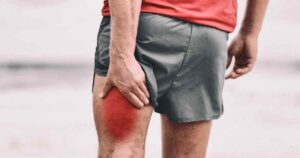
Muscle cramps are every runner’s nightmare, especially for those who venture onto the trails of trail running.
Those sudden, involuntary and extremely painful contractions of the skeletal muscle can turn an epic day in the mountains into a slow and frustrating retreat.
Although they are generally defined as “benign” or “exercise-associated” (EAMC), knowing how to prevent and manage them is crucial to successfully completing long and demanding races.
For trail runners—where distances increase and elevation gain puts the muscles under significant strain—the risk of experiencing trail running cramps is high.
Understanding the causes and implementing effective preventive strategies is the first step toward uninterrupted running.
_ _ _ _ _ _
_ _ _ _ _ _
Main Causes of Trail Running Cramps
Understanding the multifactorial nature of cramps is the first step in fighting them.
Traditionally, they were attributed solely to dehydration and loss of mineral salts.
Today, we know the picture is more complex and involves several factors:
-
Dehydration and electrolytes: the loss of fluids and essential minerals such as sodium, potassium, and especially magnesium (Mg++) through sweating is one of the primary causes. During prolonged activity, magnesium loss through sweat can reach 10–20%. A deficiency in Mg++, often underdiagnosed in athletes, can lead to general fatigue and post-training muscle problems.
-
Muscle fatigue and training level: this is a crucial and often underestimated factor. The intensity and duration of exercise—combined with a low level of training or excessive, unfamiliar effort—are major risk contributors. Muscles that are not sufficiently conditioned fatigue more quickly and are more prone to involuntary contractions.
-
Environmental conditions: heat and high humidity drastically increase sweating rates and therefore electrolyte loss.
-
Insufficient nutrition: a lack of carbohydrates does not provide the glycogen needed to sustain prolonged muscular effort, while deficiencies in vitamins and minerals predispose athletes to cramping.
These four elements often act synergistically, highlighting the importance of an integrated approach to prevention.
Prevention Strategies: The Importance of Preparation
The battle against trail running cramps is won before reaching the starting line.
This requires a dual focus: targeted training and smart nutritional supplementation.
Effective Training
If cramps are a recurring problem, it’s essential to reassess your training program to ensure your muscles are properly prepared for the stress of racing.
To do so, pay attention to two fundamental factors:
-
Load assessment: make sure the intensity and duration of your workouts increase progressively, and that the race does not represent a disproportionate leap compared to your usual preparation.
-
Specific exercises (eccentric): if, for example, cramps often affect your calves, include specific exercises to improve strength and endurance in that muscle group. Eccentric exercises (the lengthening phase of the muscle under load) are particularly effective for strengthening muscle fibers and making them more resistant to fatigue.
Improving the specific endurance of the muscle through a balanced program is the foundation for avoiding premature fatigue during the race.
Nutrition and Hydration
Proper supplementation, hydration, and nutrition play a key role in maintaining neuromuscular balance and preventing unwanted contractions.
Specifically, before a trail running race, it is important to implement these prevention strategies:
-
Optimal hydration (the day before): start drinking regularly in the days leading up to the event—don’t wait for thirst. The goal is to reach the starting line well hydrated.
-
Preventive electrolyte supplementation (magnesium): in addition to sodium and potassium, magnesium should be considered an essential tool against cramps. Endurance athletes should aim for an intake of about 240 mg/day of Mg++ to compensate for losses.
-
Proper nutrition: perform strategic carbo-loading in the 2–3 days before the race to maximize muscle glycogen stores, providing the fuel your muscles need.
The right combination of mineral supplementation and carbohydrates gives you the biochemical foundation to tackle long distances.

Trail Running Cramp Prevention Strategies: During the Run
Even with flawless preparation, it’s essential to adopt real-time risk-management measures.
The main strategies to use during a run to prevent trail running cramps include:
-
Pace management: resist the temptation to start too fast, especially uphill. Maintain a sustainable pace that aligns with your training level.
-
On-the-go supplementation: take gels, bars, or isotonic drinks regularly (every 45–60 minutes) to replenish carbohydrates and maintain a stable electrolyte balance. Don’t wait for symptoms to appear.
-
Drink consistently: keep hydrating with small, frequent sips. If it’s very hot, increase your intake of saline solutions.
-
Running technique: pay attention to your stride and posture, especially downhill, where the impact and eccentric work on the quadriceps increase fatigue.
These precautions help distribute the effort evenly and support muscle function all the way to the finish line.
What to Do When a Cramp Strikes: Immediate Resolution
Despite all preventive measures, the cramp has still arrived.
Don’t panic: a series of immediate actions can help you release the contraction and resume running safely.
-
Stop and assessment: stop immediately. Do not try to “run through” the cramp, otherwise you will worsen the contraction and may cause muscle damage.
-
Static stretching and massage:
-
For the calf: slowly stretch the muscle by bringing the tip of your foot toward your knee (dorsiflexion) while keeping the leg straight.
-
For the quadriceps: grab your foot and bring it toward your glute (as in a standard quad stretch), pulling gradually.
-
Gently massage the contracted area to help the muscle release.
-
-
Emergency salt replenishment and specific products: immediately take a concentrated source of salt or electrolytes.
-
For quick intervention during a race: many athletes carry fast-absorbing products. You may consider a sachet-based product like Leg Cramp by Dietalinea (easy to store in your pack) for fast relief, or a small vial like Fluid Cramp by +Watt (ideal for a running belt or pack) for a concentrated liquid solution.
-
-
Warming the area: if the cramp is due to a sudden drop in temperature (e.g., after a stream crossing), rubbing the area or applying light heat can help circulation.
By following this sequence, you can quickly reduce pain and prevent an immediate recurrence, managing the situation efficiently.

After a Cramp: Restarting and Recovering
Once the contraction has eased, it’s essential to start again cautiously and also think about post-race recovery to prevent future episodes.
The steps to follow are:
-
Gradual restart: Begin by walking for a few minutes. If the tightness has disappeared, try resuming running at a very easy pace, significantly slower than the one you held before.
-
Monitoring: Continue with fluid and electrolyte intake. If you feel even the slightest sign of an impending cramp, slow down again or walk.
-
Post-race recovery and nighttime cramps: In the hours after the race, focus on recovery. Cold baths or showers can help reduce inflammation. Keep hydrating and consider magnesium supplementation to promote nighttime muscle relaxation, especially after quality workouts or demanding races. In this case, products like Cramp Act by Linea Act are specifically designed for nighttime post-exertion cramps.
A cautious restart and targeted recovery are essential to minimize the cramp’s impact on overall performance and muscle health.
Conclusion
Trail running cramps are not a sign of weakness but a message your body is sending you.
Effective management is based on a holistic understanding of the causes: not only hydration and electrolytes, but also an adequate training level and the prevention of muscle fatigue.
Listen to your body, review your training plan (possibly adding eccentric exercises), and don’t underestimate the crucial role of magnesium and support products for emergencies.
With meticulous preparation, you’ll be ready to face any trail with greater confidence and peace of mind.
_ _ _ _ _ _
Do you want personalized advice on how to manage your training and prevent cramps?
Subscribe to our TRM News Newsletter: HERE
or stay updated by reading the Trail Running Movement Blog
_ _ _ _ _ _
#TrailRunningCramps #RunnerPain#CrampPrevention #TrailRunningCrampManagement #Magnesium #MineralSalts #SportsInjuries #InjuryPrevention #TrailRunning #UltraTrail #RunningLife #MountainRunning #TrailRunner #RunnerTips #TrailRunningNutrition #TrailTraining #TrailRunningHydration
#TrailRunningRecovery #SportsMassage
_ _ _ _ _ _
Frequently Asked Questions (FAQ)
Why do cramps occur in Trail Running?
Cramps in Trail Running result from a combination of factors: dehydration, loss of electrolytes (especially magnesium), muscle fatigue, and lack of specific preparation.
Environmental conditions such as heat and humidity can also contribute to their onset.
How can I prevent cramps during a Trail Running race?
Preventing Trail Running cramps starts with targeted training (especially eccentric exercises), proper hydration, and adequate supplementation of mineral salts and carbohydrates.
It’s also important to manage your race pace and avoid starting too fast.
What role does magnesium play in cramp prevention?
Magnesium (Mg++) is essential for neuromuscular function.
In Trail Running, magnesium loss through sweat can reach up to 20%, increasing the likelihood of cramps.
Supplementing around 240 mg/day can help maintain muscle balance and reduce the risk of sudden contractions.
What should I do when a cramp hits during Trail Running?
Stop immediately, perform gentle stretching on the affected muscle, massage it lightly, and replenish salts and electrolytes.
If possible, use a fast-absorbing specific product such as Leg Cramp or Fluid Cramp for immediate relief.
Are cramps a sign of insufficient training?
Not always, but muscle fatigue and lack of specific preparation are among the main causes.
If cramps occur frequently, it may be helpful to review your training program, especially to increase the strength and endurance of the most stressed muscles
How should I manage cramps after a Trail Running race?
After a cramp episode, resume activity gradually, maintain proper hydration, and continue mineral supplementation.
For nighttime recovery, products like Cramp Act can promote muscle relaxation and help prevent post-exertion cramps.
Are there “on the go” strategies to avoid cramps?
Yes. During Trail Running, it’s essential to maintain a steady pace, sip water frequently, and consume gels or isotonic drinks every 45–60 minutes.
These habits help stabilize electrolyte balance and prevent Trail Running cramps.
What are the best supplements to prevent cramps in Trail Running?
The most effective supplements against Trail Running cramps are those combining sodium, potassium, and magnesium—essential for maintaining electrolyte balance during exertion.
Specific products such as Leg Cramp by Dietalinea, Fluid Cramp by +Watt, or Cramp Act by Linea Act can be useful both for prevention and for rapid intervention during or after the race.


AllenamentoTrail, CorsaInMontagna, CrampsPrevention, HydrationTrailRunningRecoveryTrailRunning, InjuriesPrevention, ManagementCrampsTrailRunning, NutritionTrailRunning, RunningLife, SportsInjuries, TipsForRunners, TrailRunner, TrailRunnerPain, trailrunning, TrailRunningCramps, ultratrail