



How to Treat Plantar Fasciitis: the Heel Pain That Stops Trail Runners
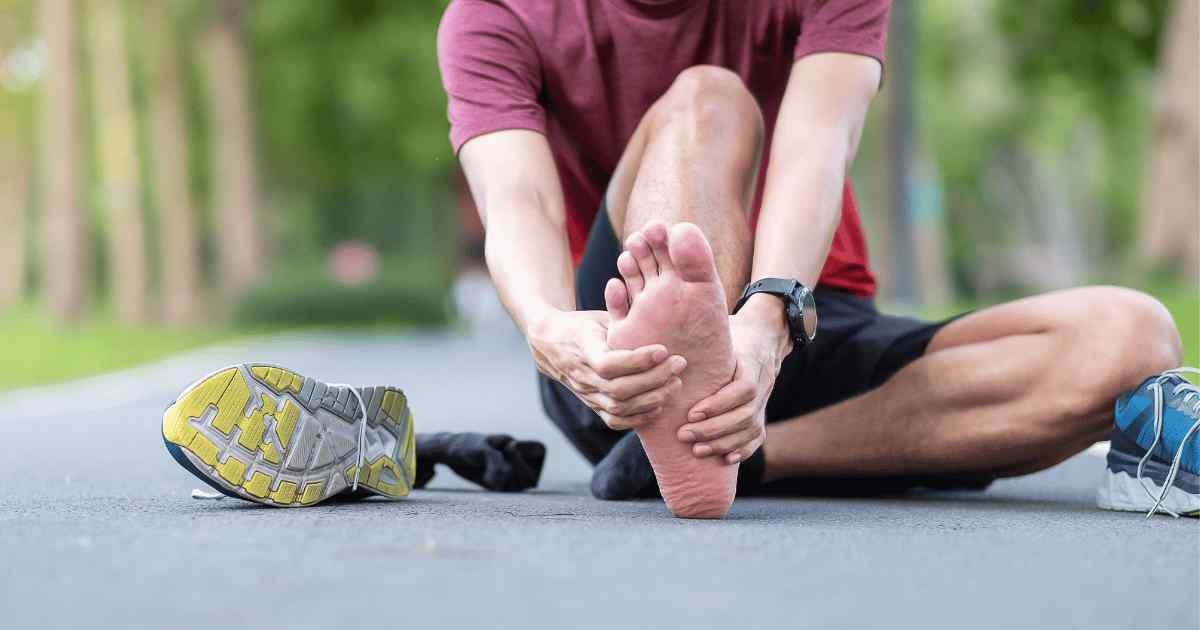
If every morning your first steps feel like “stabs” under your heel, or if after a long running session of road running or mountain running, the pain in your foot becomes unbearable, you might be dealing with plantar fasciitis.
It’s one of the most common injuries among trail runners, capable of turning the pleasure of running into a real nightmare.
Often overlooked in its early stages, it can become chronic and force you into long breaks.
In fact, it is estimated to account for about 8% of all running injuries.
In this article, we’ll explore what plantar fasciitis is, how to recognize it early, why it frequently affects trail runners, and what strategies can help prevent or treat it.
_ _ _ _ _ _
_ _ _ _ _ _
What is plantar fasciitis?
It results from a degenerative condition of the collagen fibers of the plantar fascia, a strong structure that connects the heel to the toes and supports the arch of the foot.
The plantar fascia has three main functions essential for the integrity of the foot:
- supporting the arch of the foot
- absorbing part of the impact
- contributing to the final push-off phase of the foot.
In the past, plantar fasciitis was thought to be caused by an inflammatory process triggered by excessive load.
However, studies have shown that it lacks typical signs of inflammation and instead displays non-inflammatory pathological changes.
These changes are caused by repetitive microtrauma, leading to thickening and fibrosis of the fascia.
It’s not an acute rupture, but rather an overuse condition.
How can I recognize plantar fasciitis early?
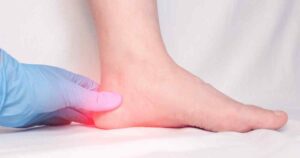
The most typical warning sign is pain under the heel, with the following characteristics:
- more intense during the first steps in the morning (known as first step pain)
- localized tenderness on the medial side of the heel, in front of the fascia insertion
- increases during weight-bearing activities, especially after rest
- may worsen when walking barefoot
- in severe cases, occurs even at rest.
The pain is often described as a sharp stab or burning sensation.
Why does it affect trail runners?
The plantar fascia acts as a natural shock absorber: during foot strike, it stretches to store elastic energy, which is then released during push-off — like a spring or rubber band.
This makes running more efficient by reducing muscular energy expenditure.
However, if the fascia is subjected to excessive loads or lacks proper muscular support, it thickens and can become injured.
This happens when training load exceeds the body’s capacity, for example when a trail runner suddenly increases mileage or speed.
Trail running places particularly high stress on the feet because:
- long distances and elevation gain increase mechanical strain on the fascia
- technical terrain requires constant stabilization, adding further stress
- downhill sections amplify impact forces.

Risk factors for plantar fasciitis in trail running
Risk factors fall into two main categories:
- structural
- functional.
These may coexist in the same athlete, so understanding them is key for prevention.
Structural factors (non- or partially modifiable):
- flat feet or high arches that alter load distribution
- limited ankle dorsiflexion
- overweight or high BMI, which increases stress on the fascia.
Functional factors (modifiable):
- rapid increase in mileage or elevation gain
- worn-out or unsuitable shoes
- prolonged running on hard or highly technical surfaces that increase load.

Preventing plantar fasciitis: what can trail runners do?
Prevention is based on a few simple but essential practices:
- gradual management of training loads, avoiding sudden increases in mileage or elevation gain
- alternating between hard and soft terrains to reduce repetitive stress
- using comfortable trail running shoes that provide good arch support and a heel-to-toe drop of at least 6–8 mm to decrease fascia tension
- regularly replacing shoes before cushioning wears out.
In addition to behavioral precautions, therapeutic exercise plays a fundamental role in prevention.
A proper prevention plan should include specific strengthening and stretching exercises, particularly for the intrinsic foot muscles and calf (triceps surae), to help prevent plantar fasciitis.
Treatment and recovery
If plantar fasciitis develops despite preventive measures, scientific literature suggests focusing on an active and functional approach.
Treatment depends on the athlete’s condition and the stage of the injury (acute or recovery).
Acute phase
- relative rest (avoiding painful activities)
- using heel lifts or orthotic insoles to offload the fascia
- applying the principle of load management, reducing both static and dynamic stress on the fascia
- local ice application and self-massage to reduce pain in the short term
- daily stretching (10 reps of 10 seconds, 3 sets/day) proven to be more effective than shockwave therapy for acute pain relief.

Long-term management
To maintain results and prevent recurrence, the cornerstone is progressive therapeutic exercise, including:
- stretching of the plantar fascia and calf muscles
- strengthening intrinsic foot muscles (e.g., toe curls) and calf
- balance and proprioception training
- correction of running or gait deficits
- gradual return to running, avoiding early overloads.
In chronic or resistant cases, where conservative therapy is only partially effective, shockwave therapy or custom orthotics may be considered, always under medical supervision.
Conclusion
Plantar fasciitis is a frequent injury among trail runners, but it doesn’t have to stop you from running.
Prevention, body awareness, and early intervention are the keys to minimizing risk and returning to running as soon as possible.
So don’t wait for the pain to become chronic, treating it early means running longer and better.
AUTHOR

ELISA CROSINA (@elisacrosina_fisioterapista)
Sports physiotherapist and physio-pilates instructor, she specializes in the evaluation, prevention, and rehabilitation of sports-related injuries.
Her expertise is particularly focused on trail running athletes, mountain sports, and winter sports.
Thanks to her academic background, professional experience, and direct on-field practice as an amateur athlete, she offers a pragmatic approach to recovery, aimed at restoring balance, strength, and body awareness in the athletes she follows — from beginners to elites.
_ _ _ _ _ _ _
Would you like to receive free trail and ultra running tips used by elite athletes?
Subscribe to our
TRM News Newsletter: HERE
_ _ _ _ _ _ _
#PlantarFasciitis #FootPain #FootHealth #HeelPainTrailRunner #SportsInjuries #InjuryPrevention #SportsPhysiotherapy #JointHealth #TrailRunning #UltraTrail #RunningLife #MountainRunning #TrailRunner #StrengthTraining #FunctionalTraining #RunningInjuryPrevention #SportsRehabilitation #RunnerTips
_ _ _ _ _ _
Frequently Asked Question (FAQ)
What are the first signs of plantar fasciitis that a trail runner shouldn’t ignore?
If every morning your first steps feel like “stabs” under your heel, or if your foot burns and hurts after a long run, it’s time to listen to your body — it could be the early stage of plantar fasciitis.
Can I keep training if I feel heel pain, or should I stop immediately?
It’s not always necessary to stop completely, but ignoring the pain is the fastest way to a forced break. It’s better to reduce your training load, adapt your workouts, and allow time for recovery.
What shoes or technical adjustments help prevent plantar fasciitis during trail running?
The right shoes make all the difference: they should provide good arch support, have an adequate drop, and offer solid cushioning. And don’t forget to replace them before they’re completely worn out!
How long does it usually take to recover from plantar fasciitis?
It depends: in mild cases, a few weeks may be enough, while in more stubborn cases it can take several months. Consistency with exercises and patience are the best tools to get back to running without fear.
Can stretching and strengthening exercises really reduce the risk of recurrence?
Absolutely yes! Daily stretching and strengthening of the foot and calf muscles are like insurance, the more you train this way, the longer your feet will last on the trails.


HeelPainTrailRunning, Injuries in trail running, injury prevention, PlantarFasciitis, PlantarFasciitisTrailRunning, Post-injury recovery techniques, Recovery Plan after injury, Rehabilitation Trail Running, trail running physiotherapy